
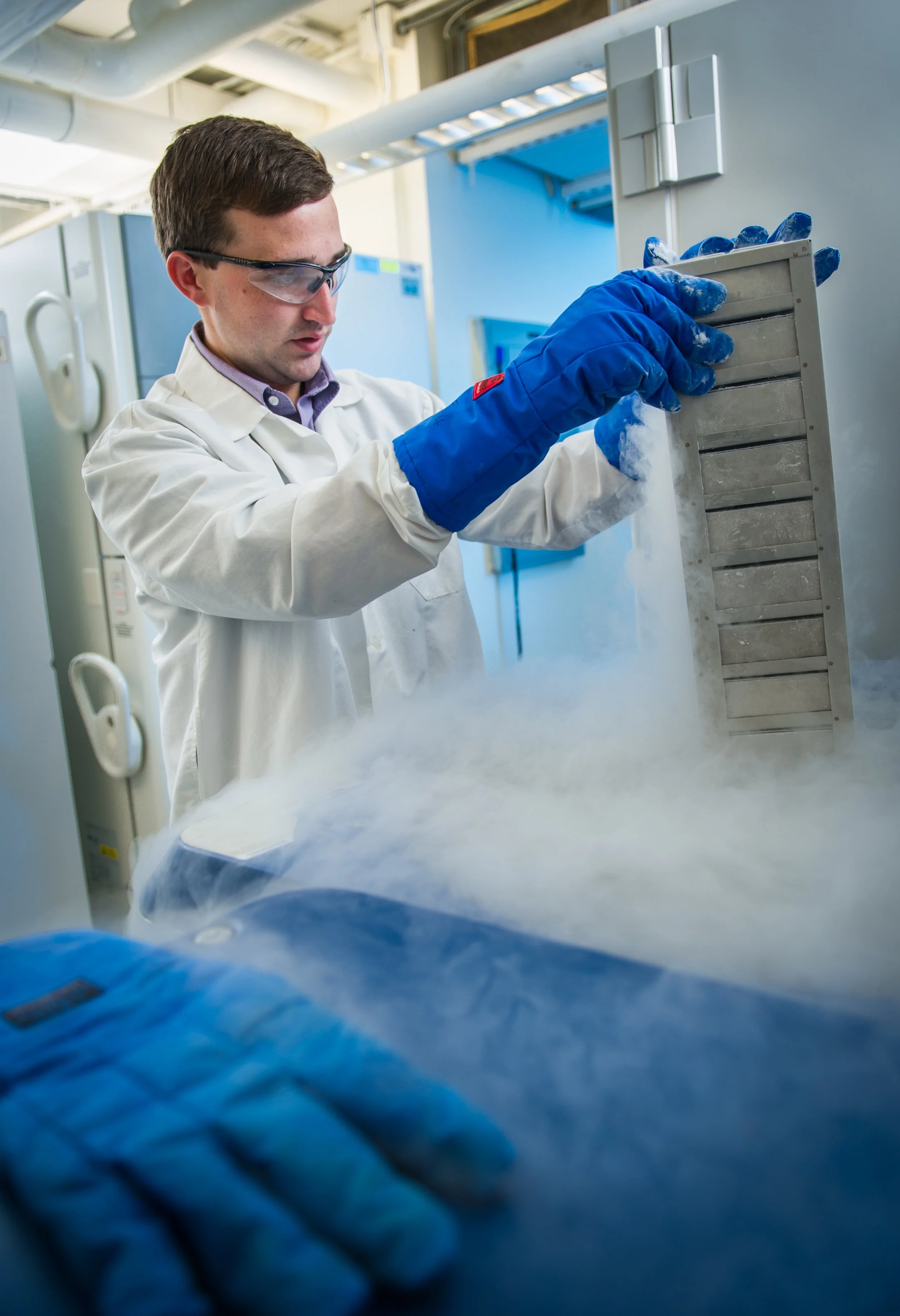
A researcher lifts samples from a liquid nitrogen storage tank. Specimens are kept at approximately −300°F to preserves tissue and other specimens.

Paramedics rush a patient on oxygen into the emergency department at Lawrence General Hospital in Massachusetts.
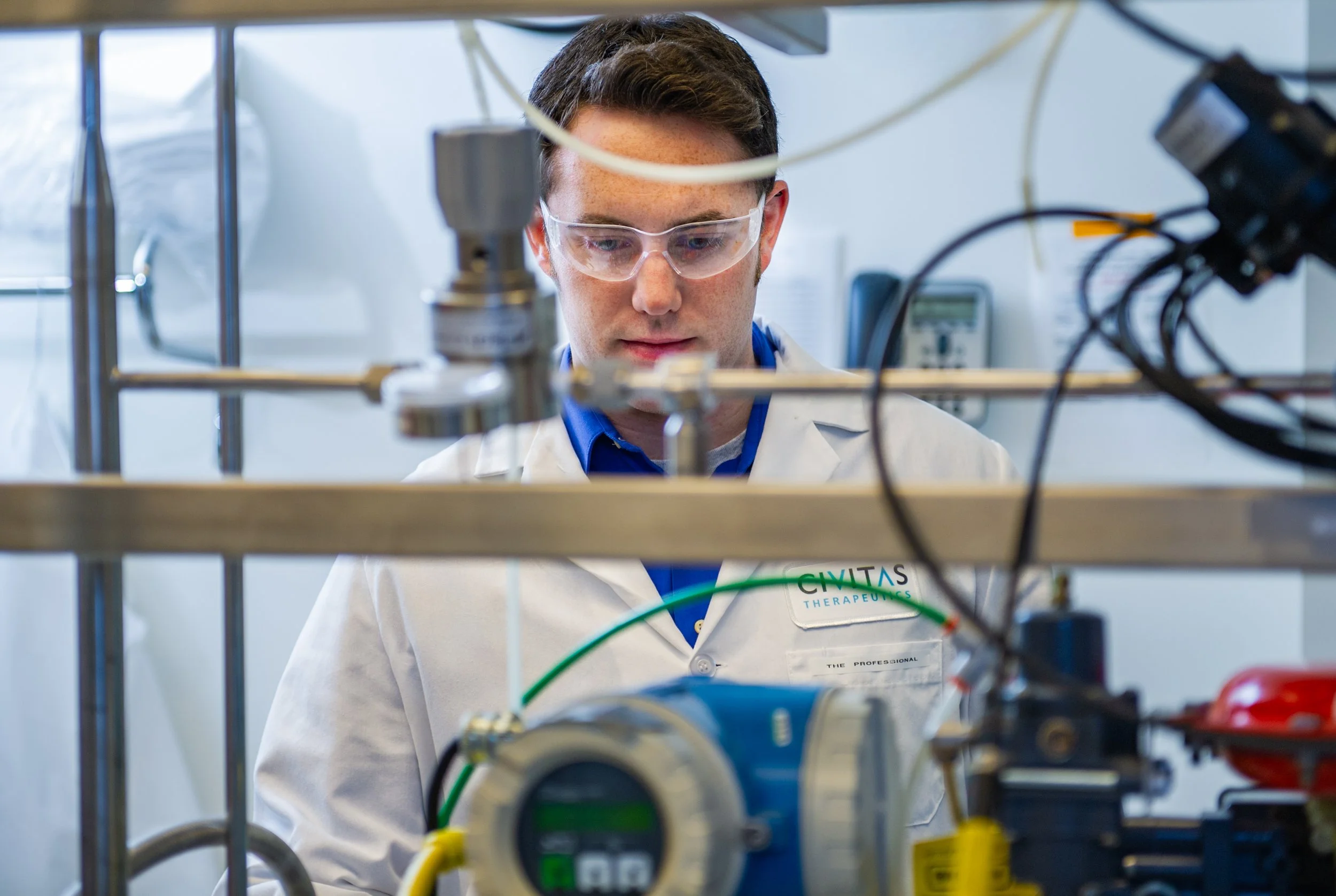
Civitas Therapeutics, Inc., is a biopharmaceutical company developing transformative therapeutics.
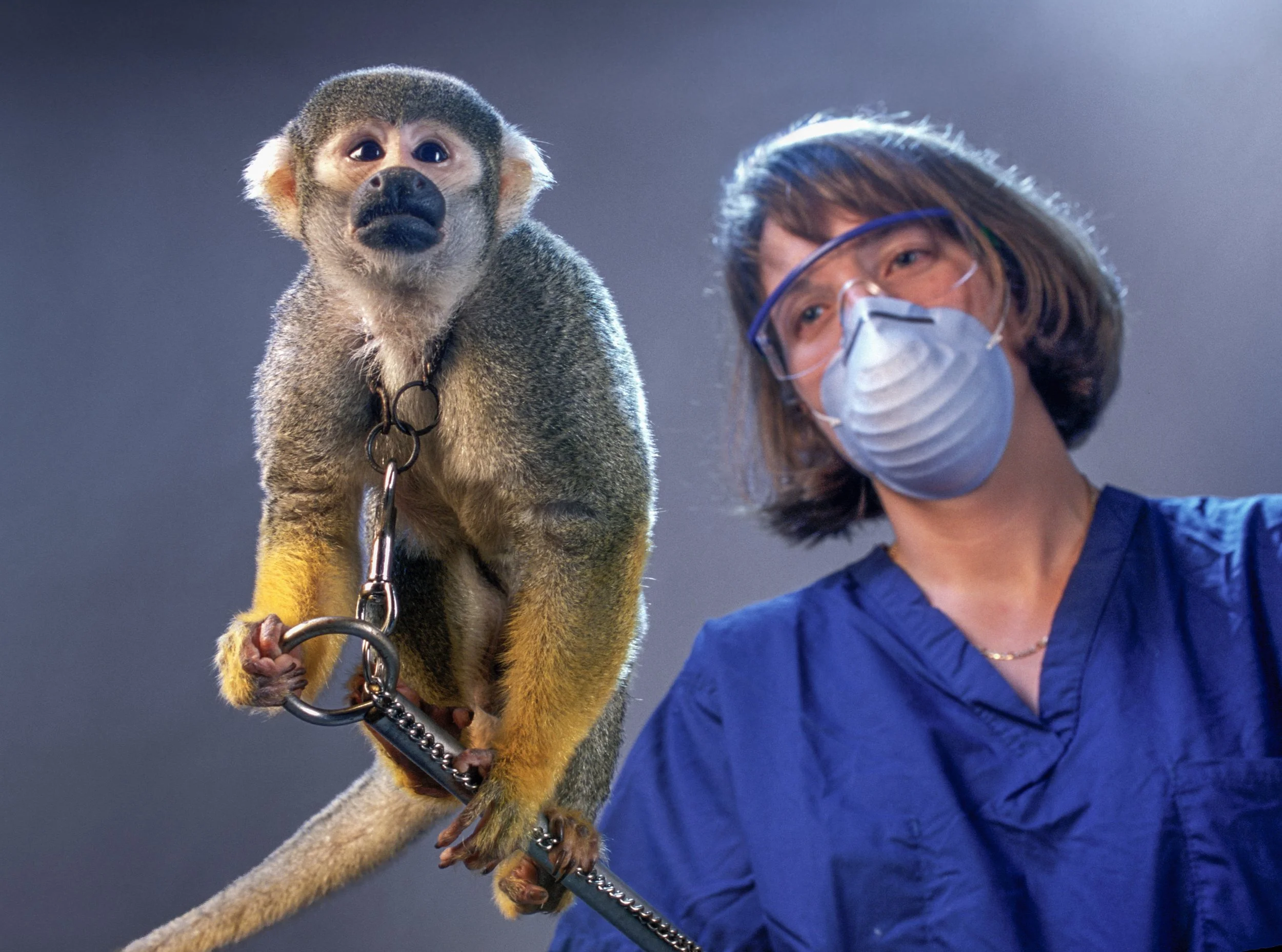
Squirrel monkey at New England Primate Research Center.

Organ scaffold from the lab of Dr. Harald Ott, Massachusetts General Hospital.

Stained colonies in petri dishes reveal which cells withstood radiation, a simple test at the heart of cancer treatment research.
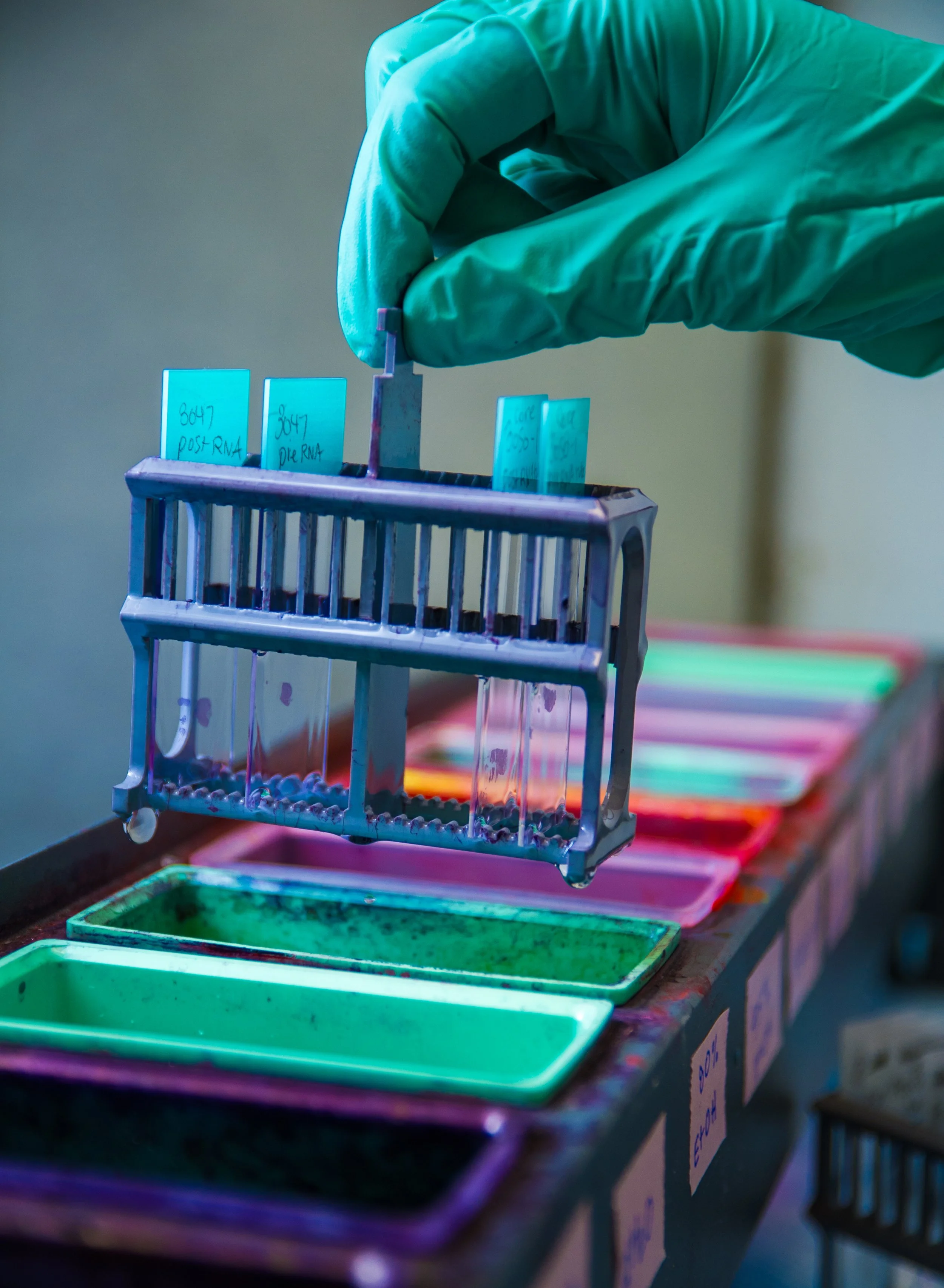
In a pathology lab, a technician moves slides through a series of stains to color cells purple and pink. The stained slides allow pathologists to examine patient tissue under a microscope.
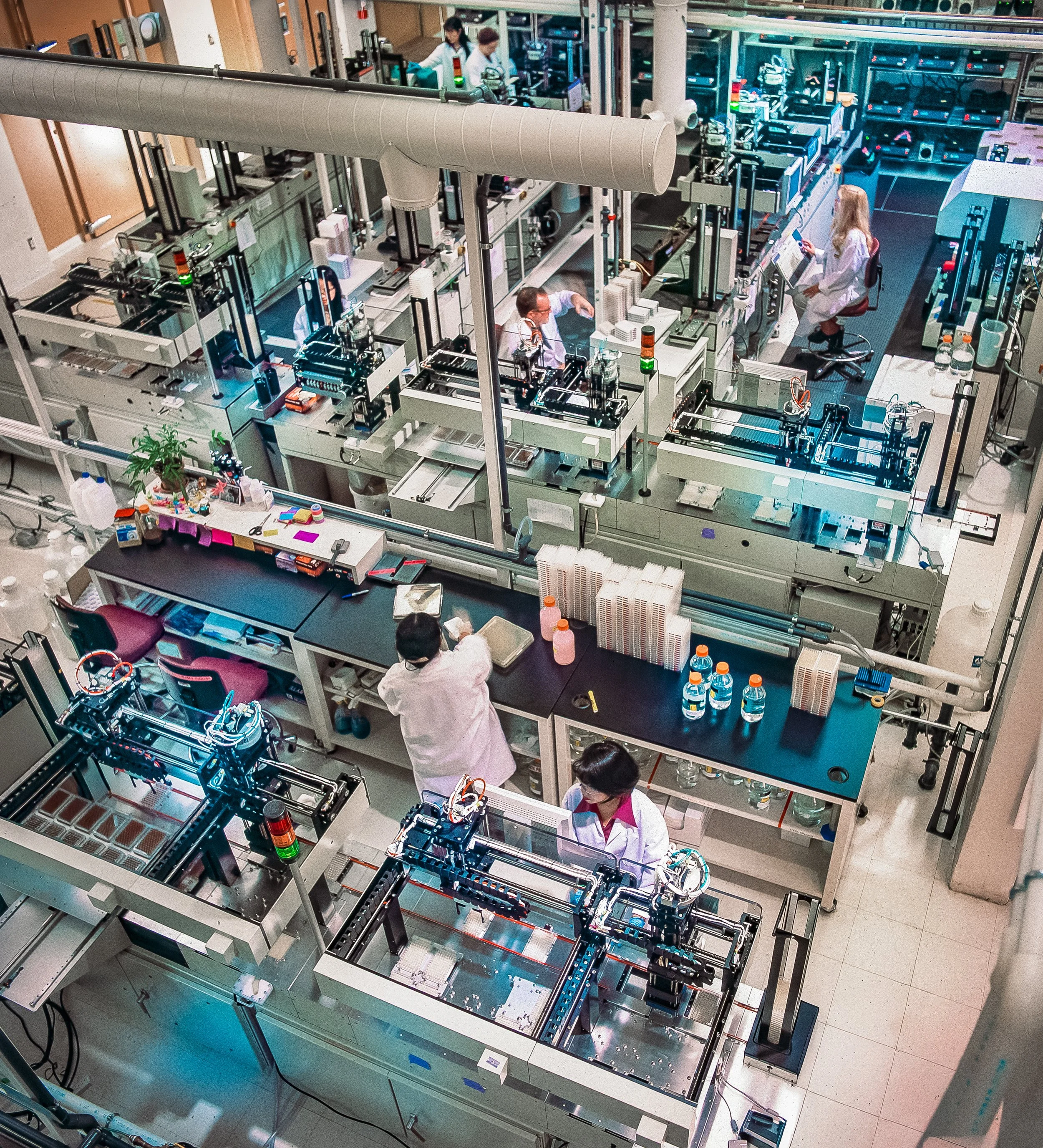
Production floor of the Whitehead Institute Center for Genome Research. The center later became the Broad Institute, directed by Eric Lander. The lab made the single largest contribution to the Human Genome Project.

A technician uses mechanical arms to handle radioactive material behind a lead-shielded wall.

Scientists in a Parkinson's disease lab carefully transfer a sample into a tube.
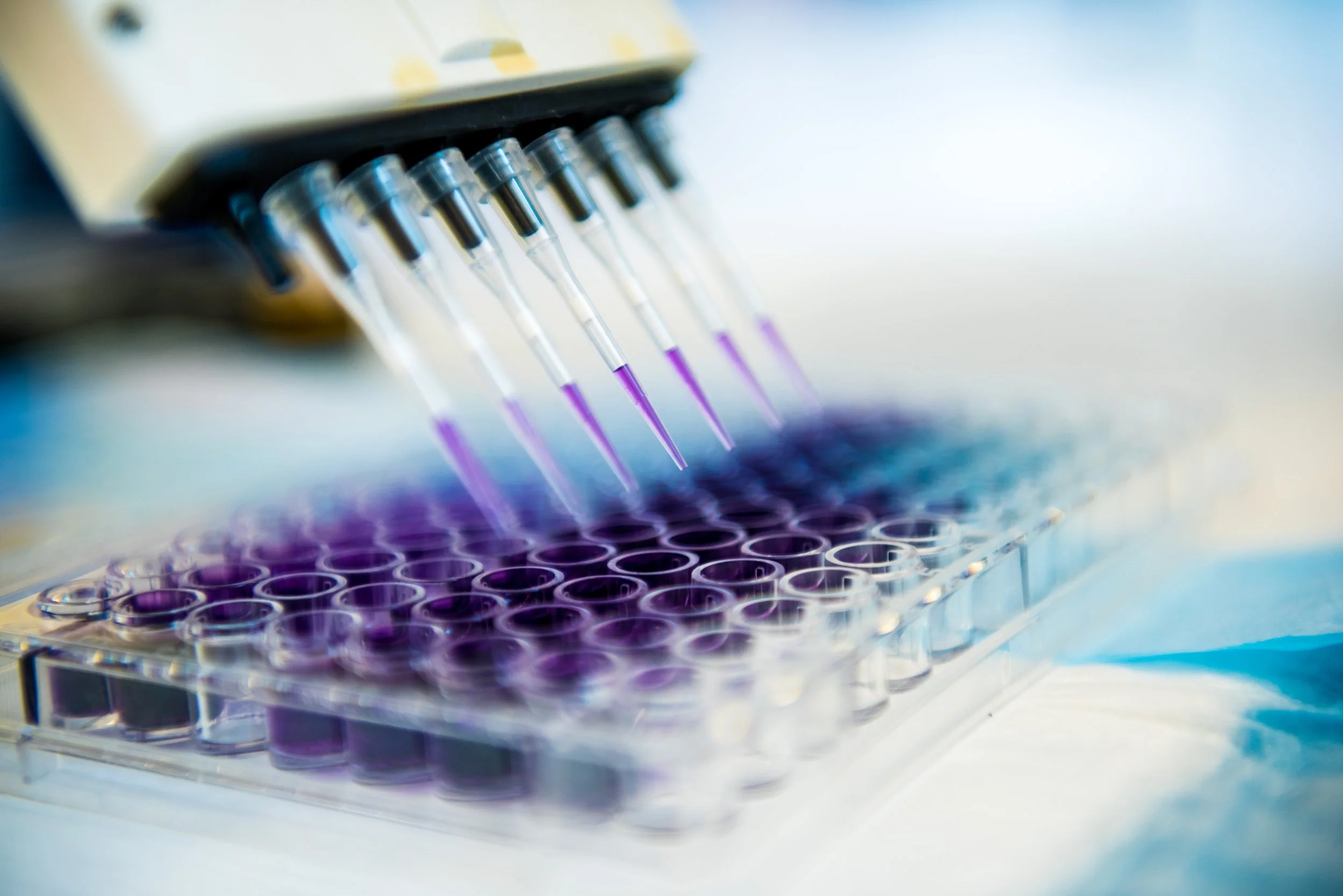
Multichannel pipette dispensing samples into a 96-well plate
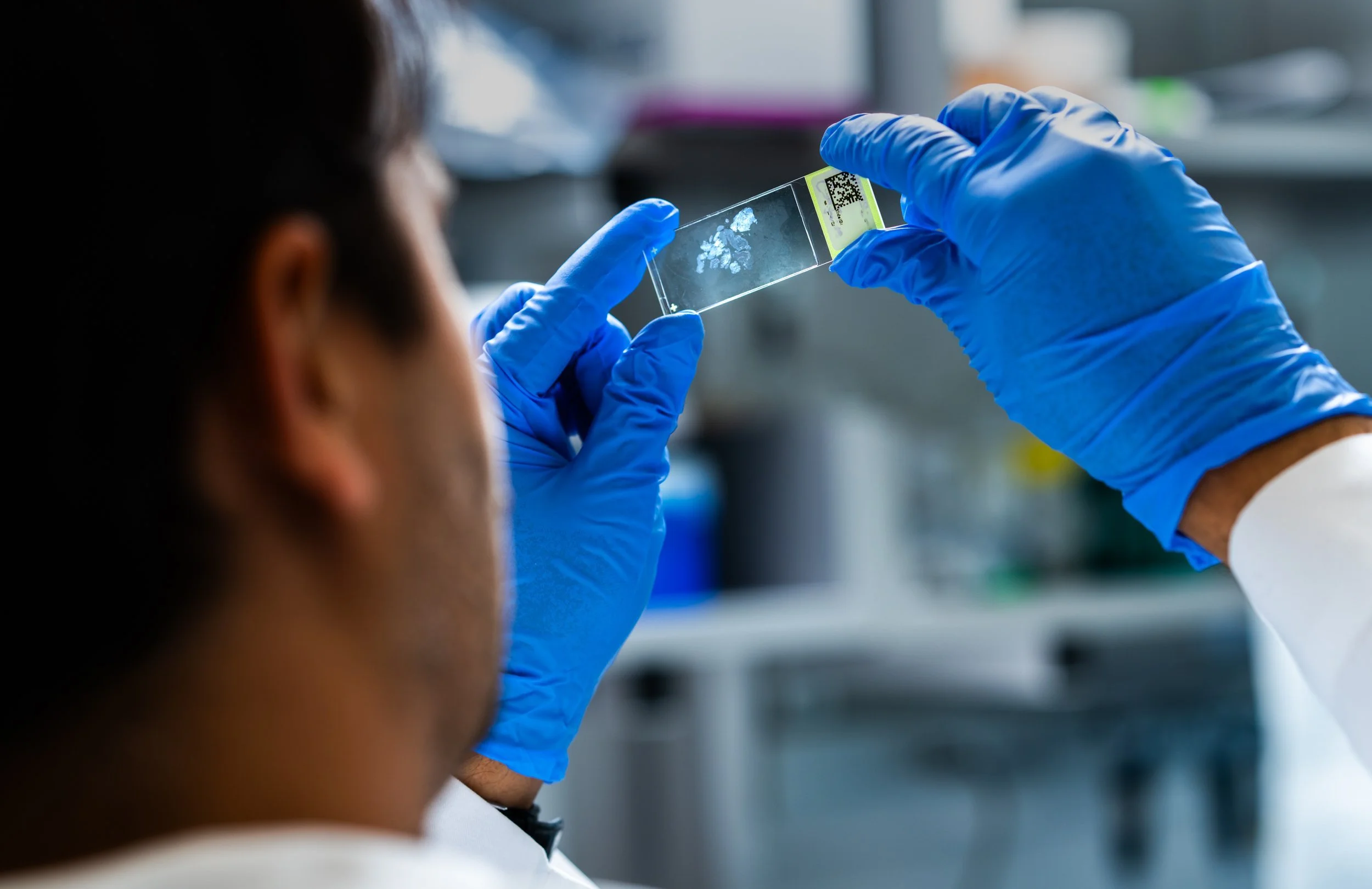
A clinician at Harvard Program in Therapeutic Science inspects a thin tissue section on a barcoded microscope slide.
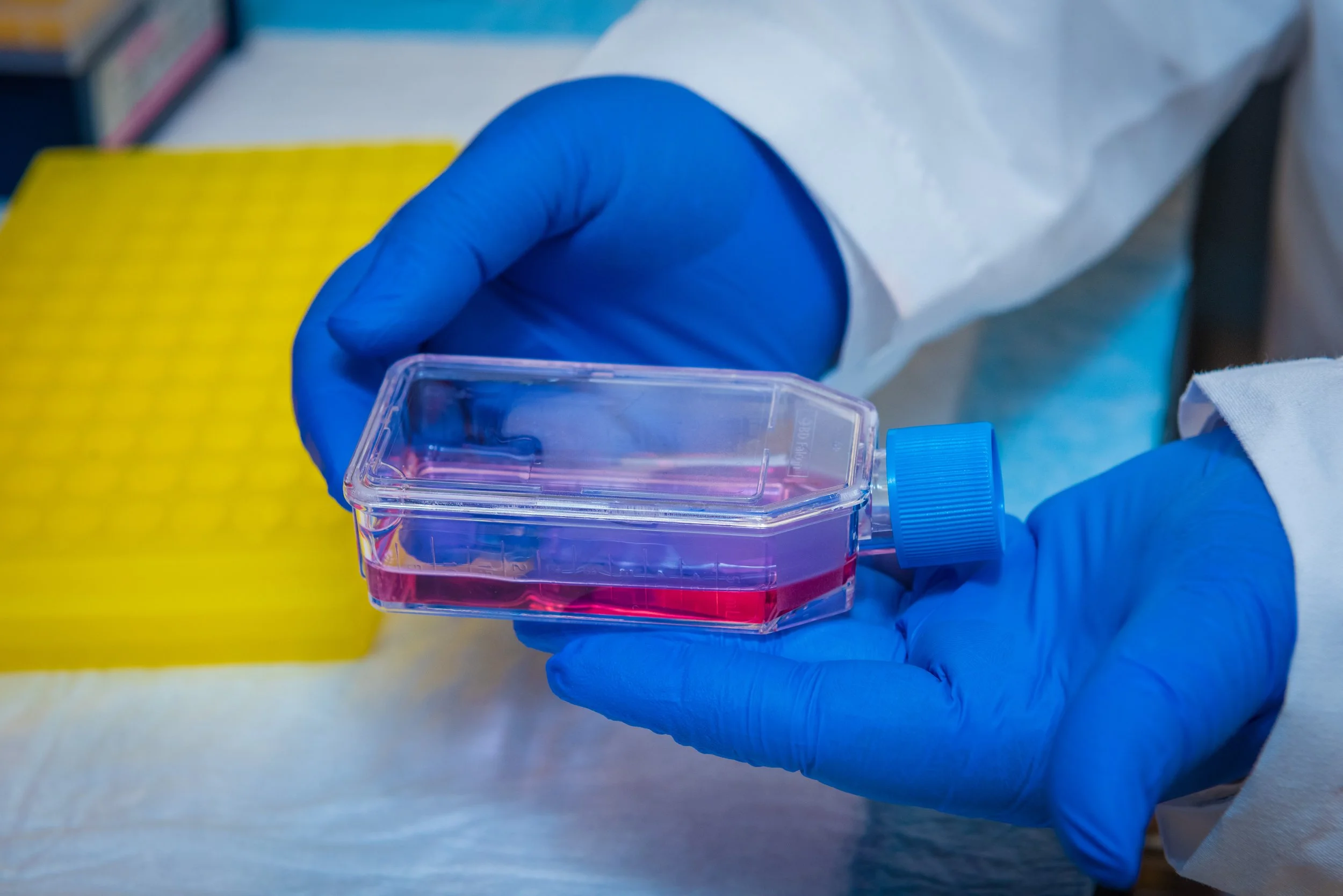
A culture flask holds cancer cells in pink growth medium. Its color comes from phenol red, a dye that shifts hue to signal whether the cells are healthy.
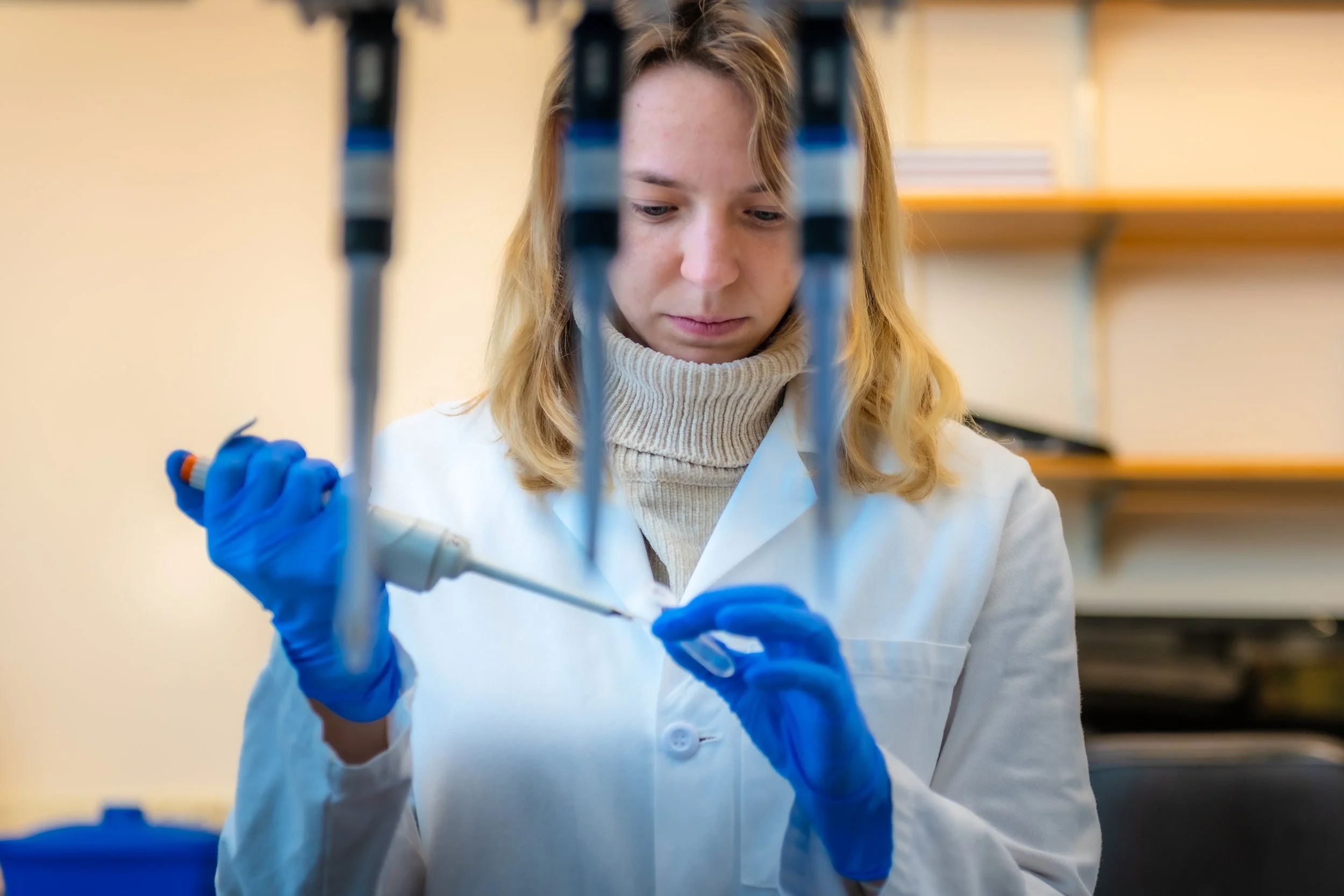
A researcher transfers a liquid sample into a microcentrifuge tube during bench preparation.
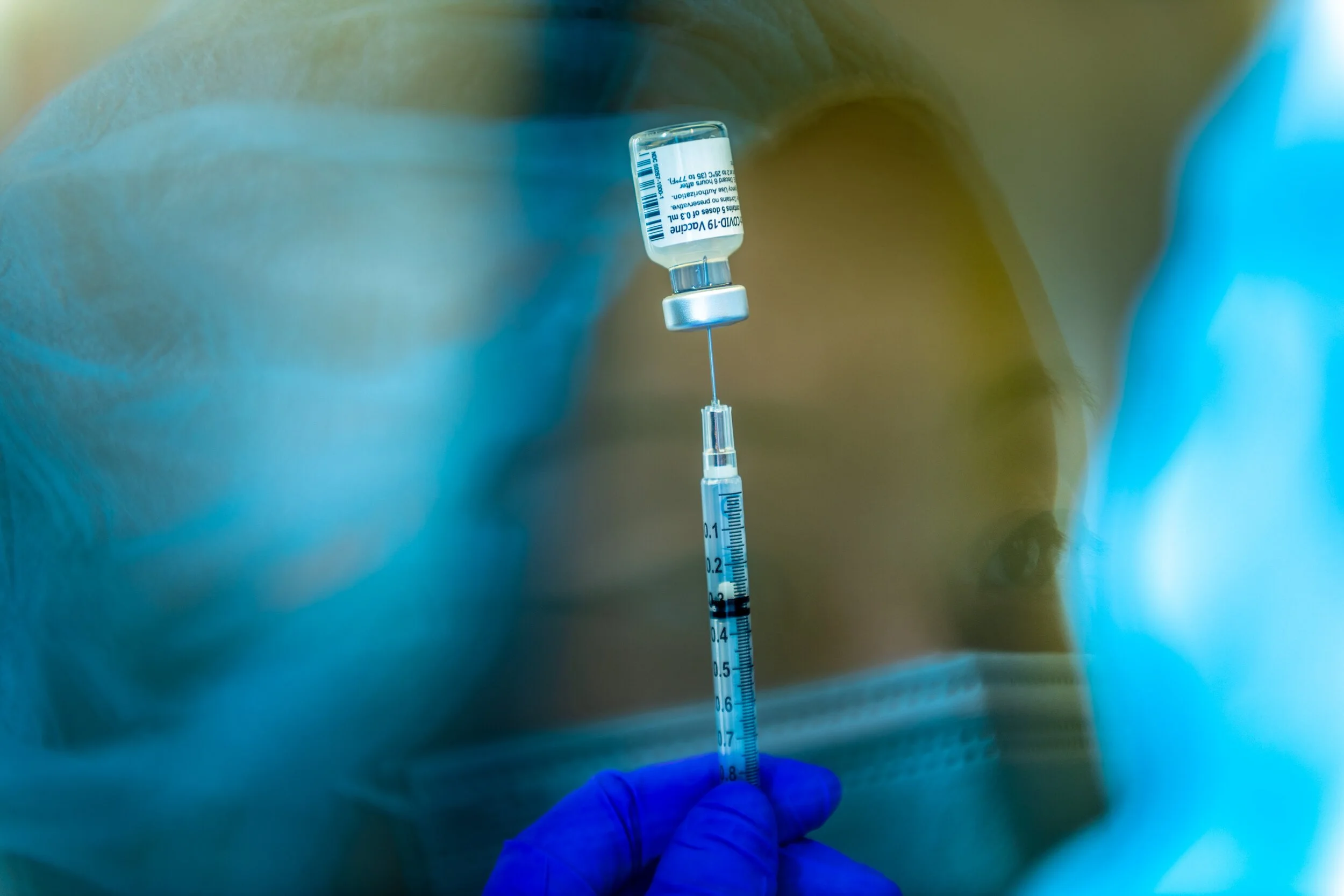
A lab technician draws up a dose of the first COVID-19 vaccine, authorized for emergency use, to be given to front-line health care workers.

A breast cancer patient receives an intravenous infusion of cyclophosphamide at Mass General. Cyclophosphamide is a mainstay of breast cancer treatment.
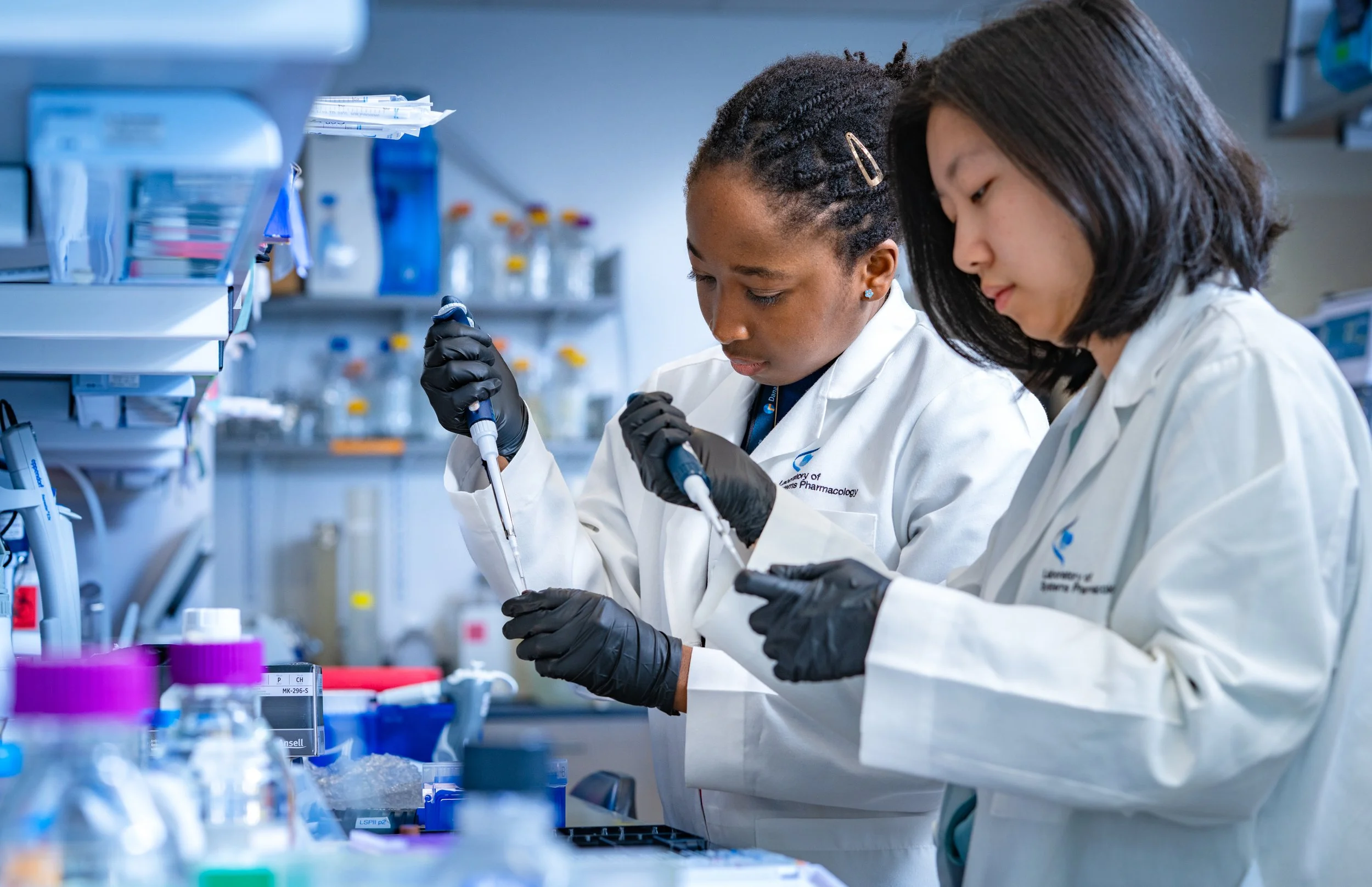
Researchers use micropipettes to transfer reagents into microcentrifuge tubes.
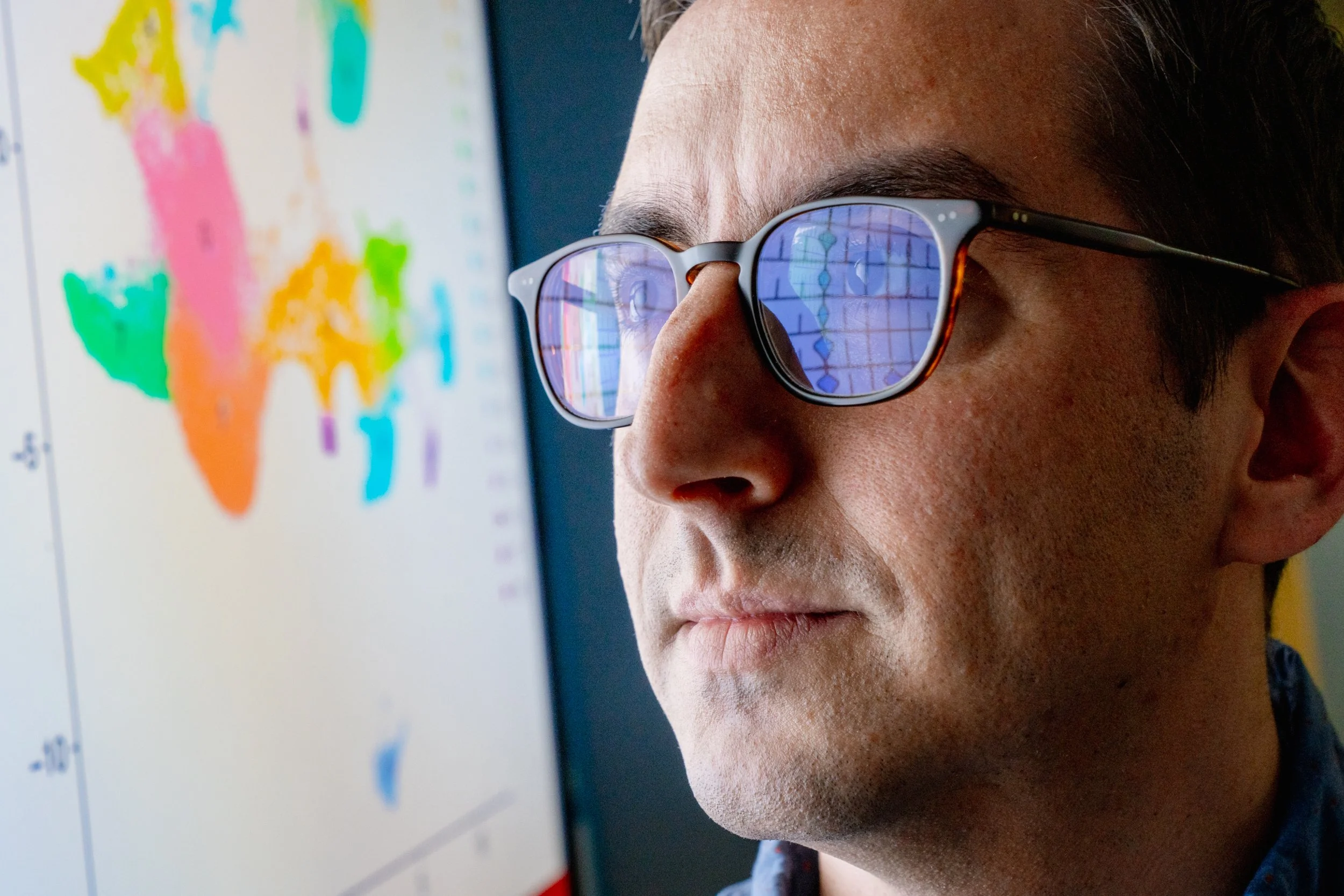
A researcher examines an electronic display of single-cell RNA sequencing data.

A cancer biologist uses a motorized pipette to dispense solution into a six-well culture plate. Plates like this are used to grow cancer cells.

A principal investigator talks with a member of his lab as she examines cells under a microscope.
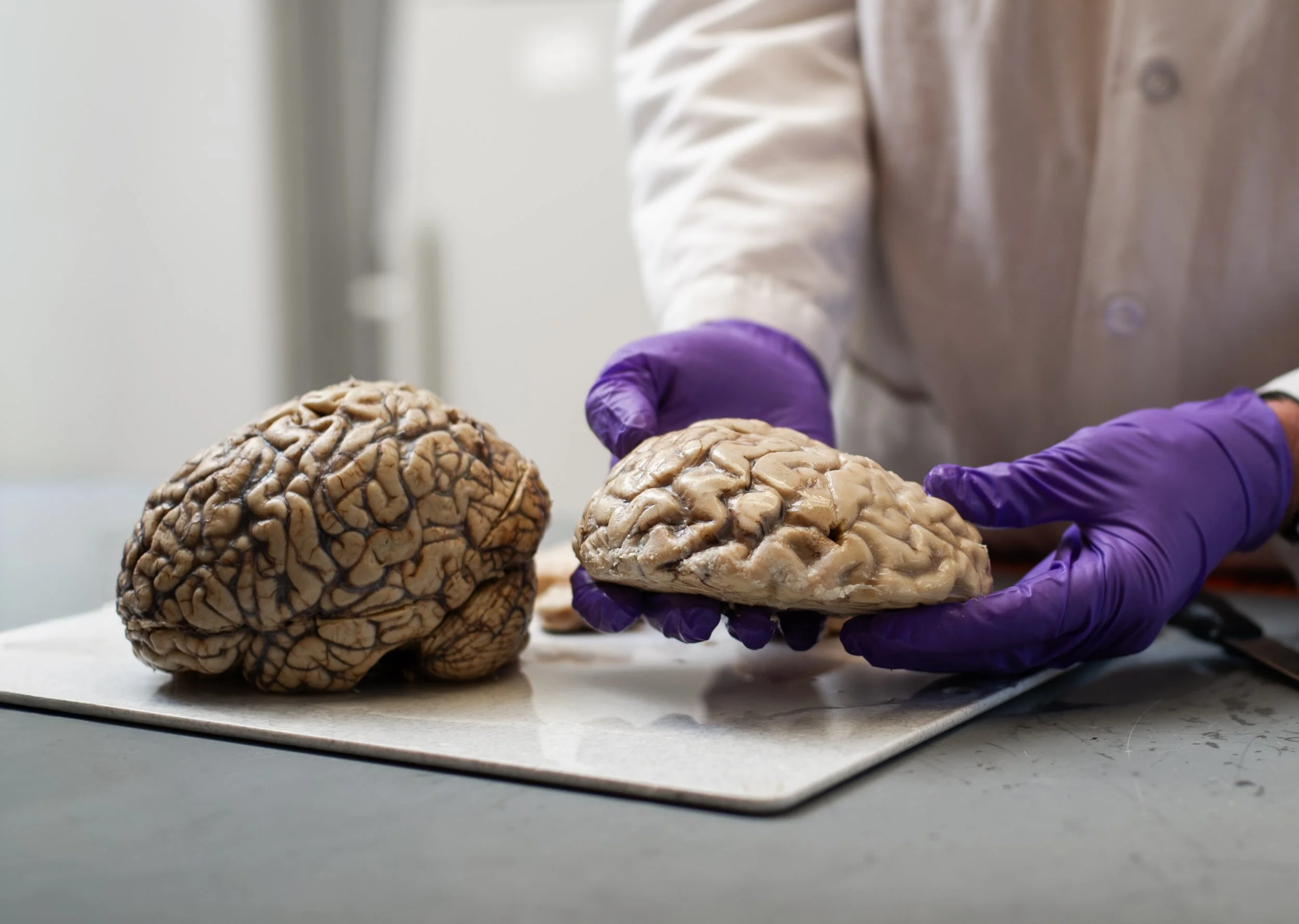
A researcher in a pathology lab examines a human brain specimen.

Otolaryngology–Head and Neck Surgery department.

Researcher at Harvard's New England Primate Research Center in Southborough, MA, holds an infant marmoset.
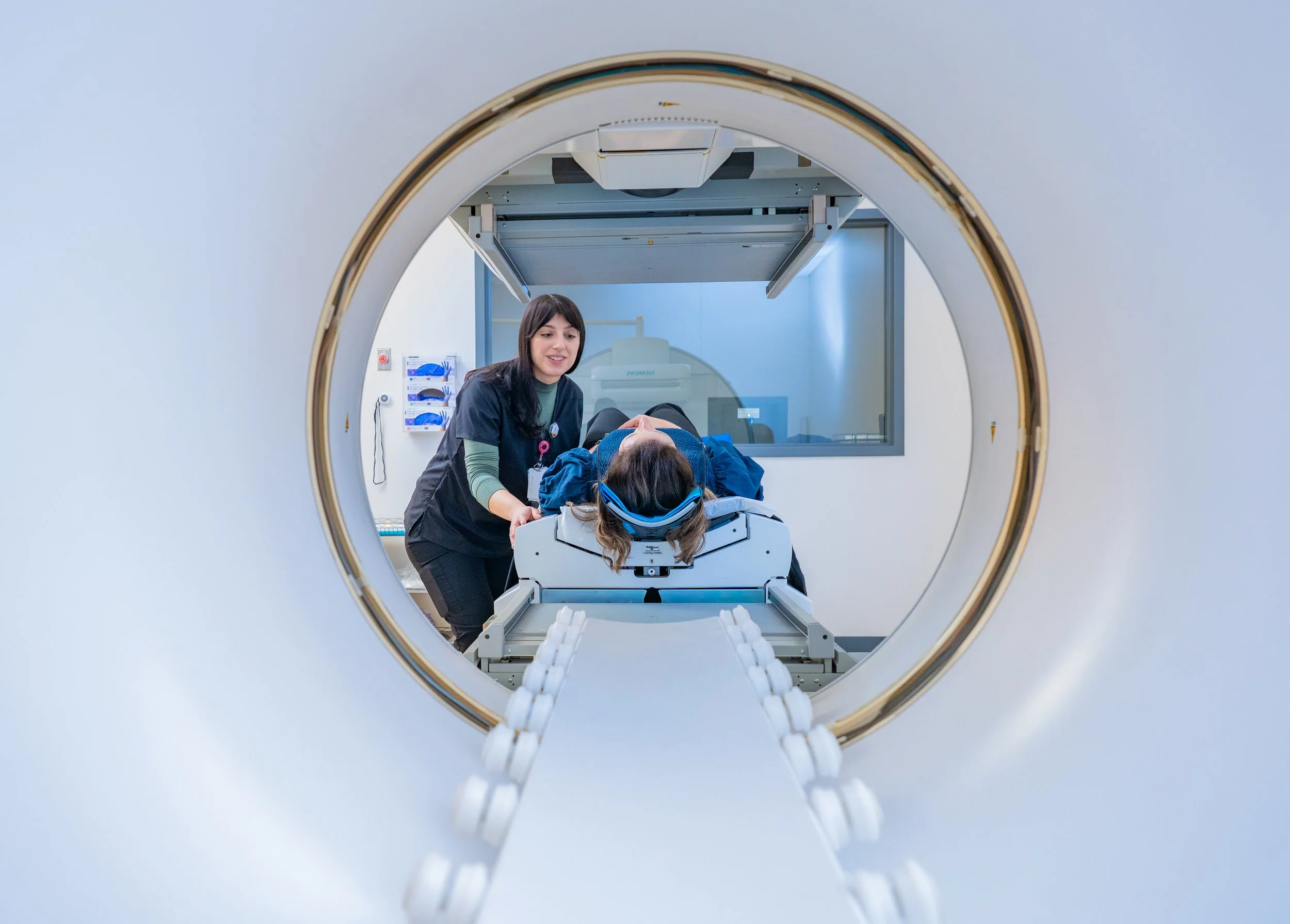
Seen through the bore of the scanner, a patient is prepared for a brain scan at a new Parkinson’s research site in New Haven.

Brown laboratory mouse at Whitehead Institute for Biomedical Research

A scientist watches a liquid-handling robot process samples for Parkinson's disease research supported by the Michael J. Fox Foundation.

Amigo Suite at Brigham and Women’s Hospital in Boston. Alexandra Golby is a Senior Surgeon at Brigham and Women's Hospital.

Two scientists study a flask of cancer cells inside a biosafety hood.
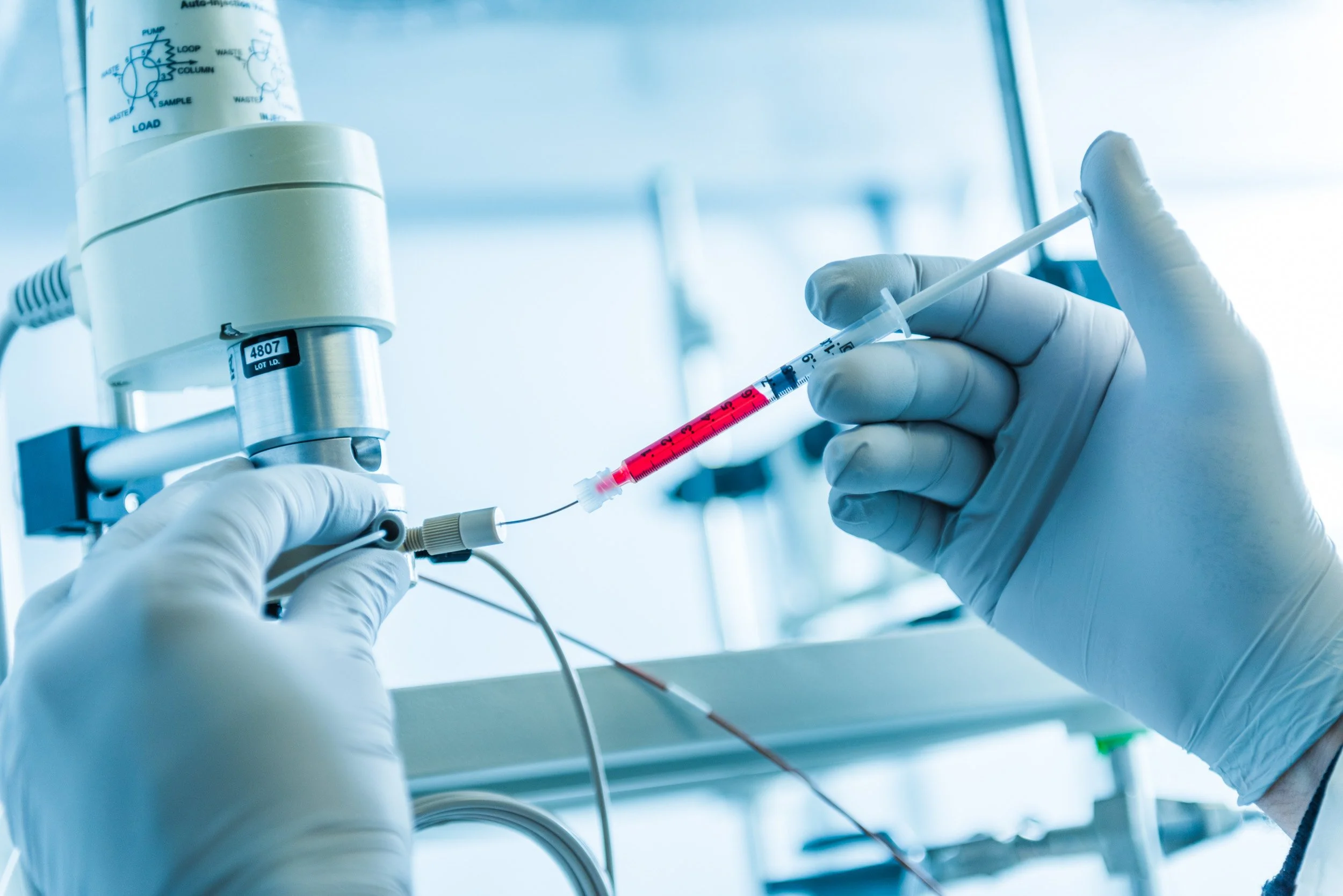
Injecting a sample from a syringe into a liquid chromatography instrument in a research laboratory.

An instructor listens alongside a student as he checks the heartbeat of a patient simulator.

A researcher holds a stack of cell culture plates in her lab.

A scientist examines the results of a western blot, a test that detects specific proteins in cell samples.
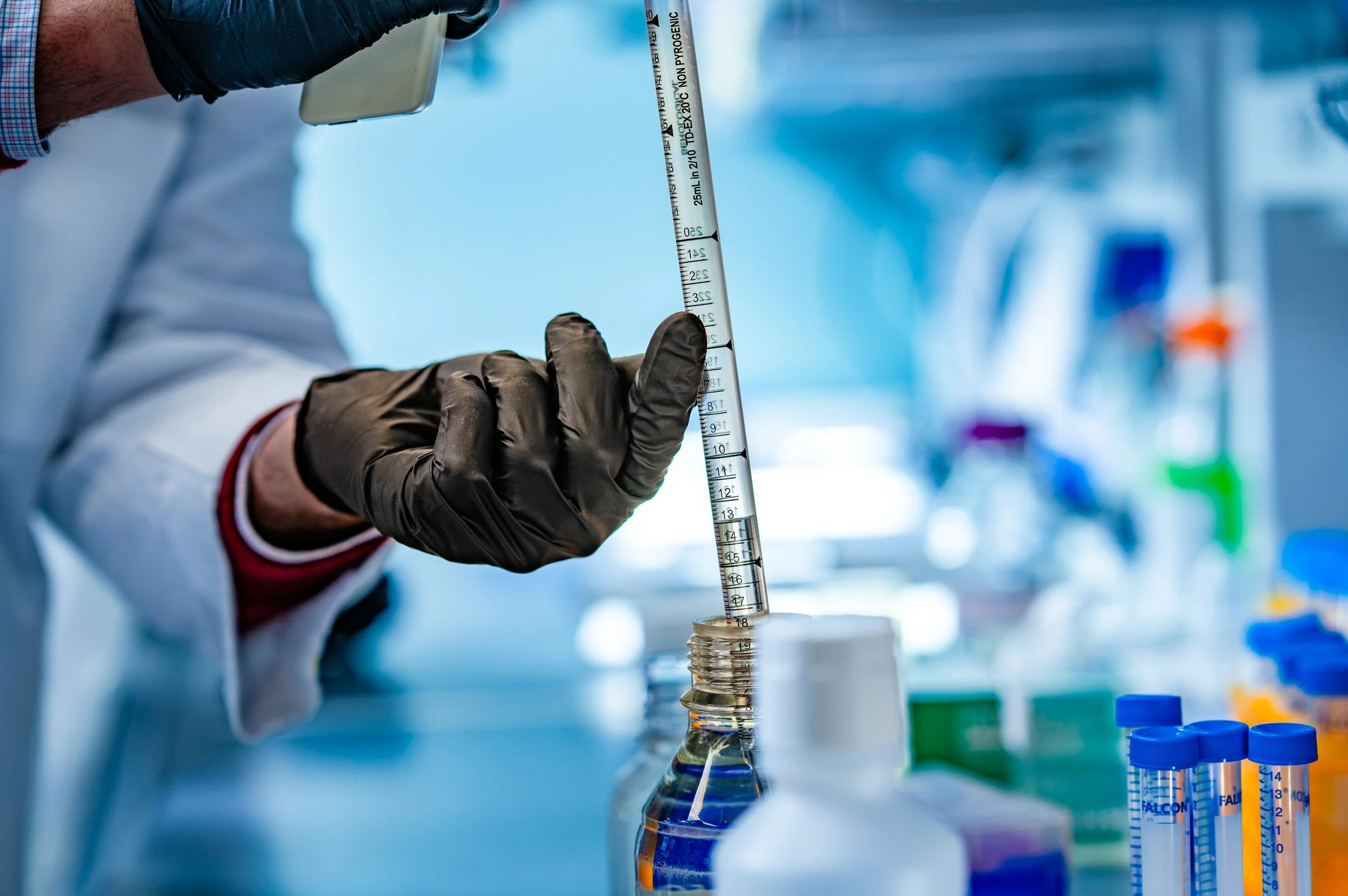
A researcher draws liquid with a pipette, surrounded by media bottles , in a Parkinson's research lab supported by the Michael J. Fox Foundation.

A scientist at work in his lab.
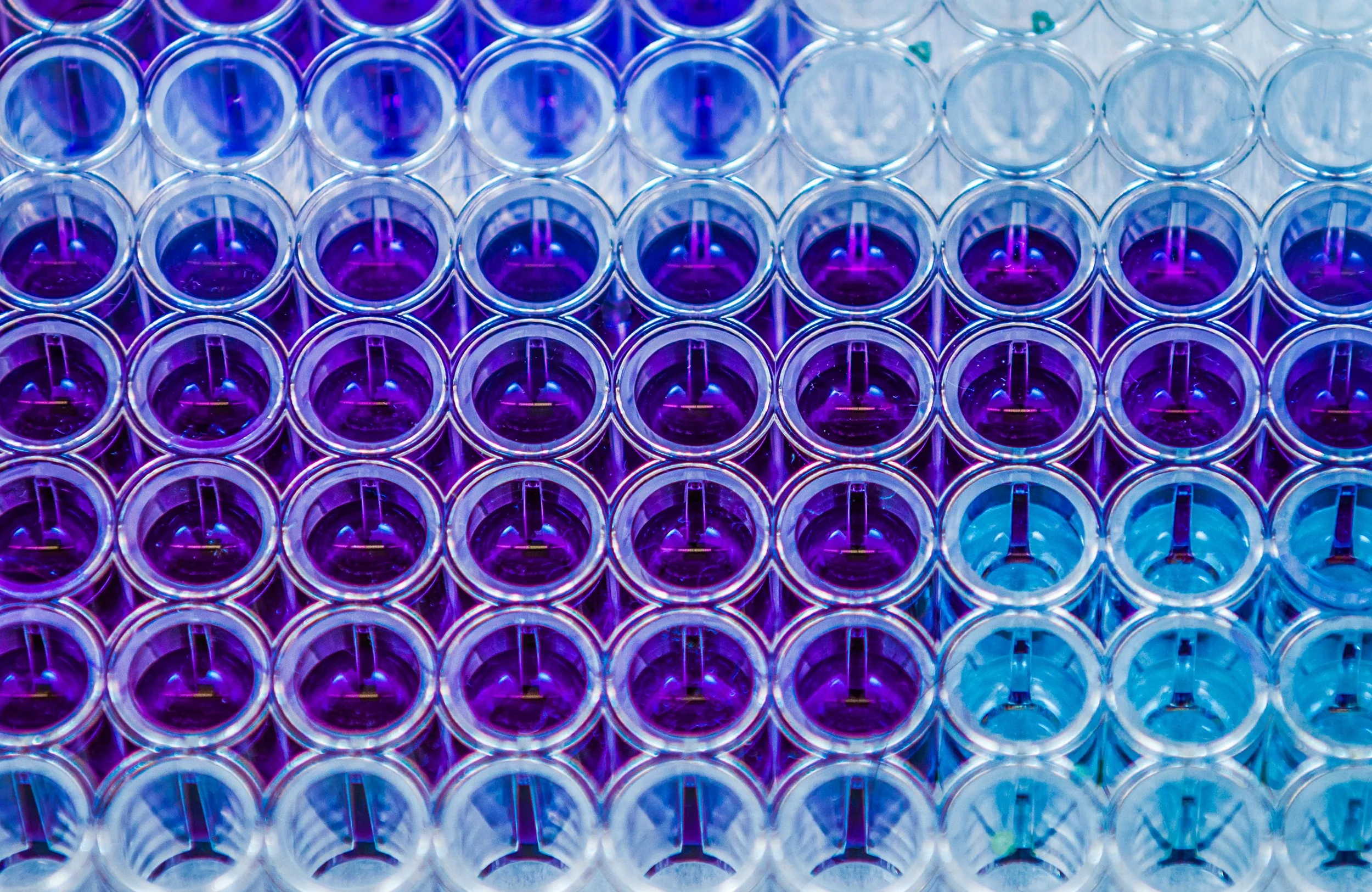
Assay plate, 96 wells. Each one a small experiment.

A scientist in the Harvard-MIT Program in Health Sciences and Technology uses a precision probe to test a microfabricated device on a silicon wafer.

Two researchers examine a sample from a rack of microcentrifuge tubes.