
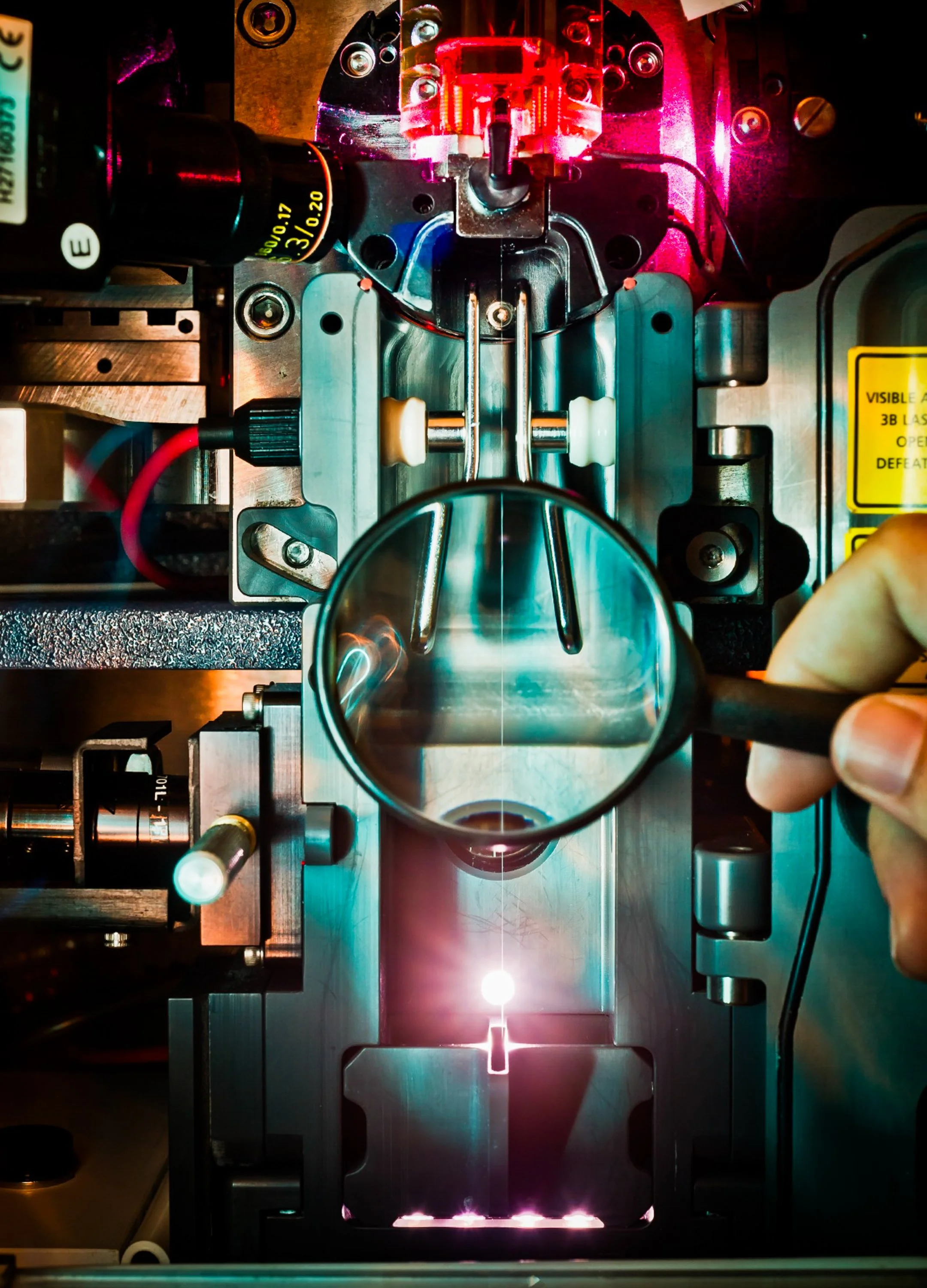
A magnifying glass shows a fluid stream inside a flow cytometry cell sorter. Thousands of cells per second pass through laser beams while charged plates steer them into separate collection tubes.
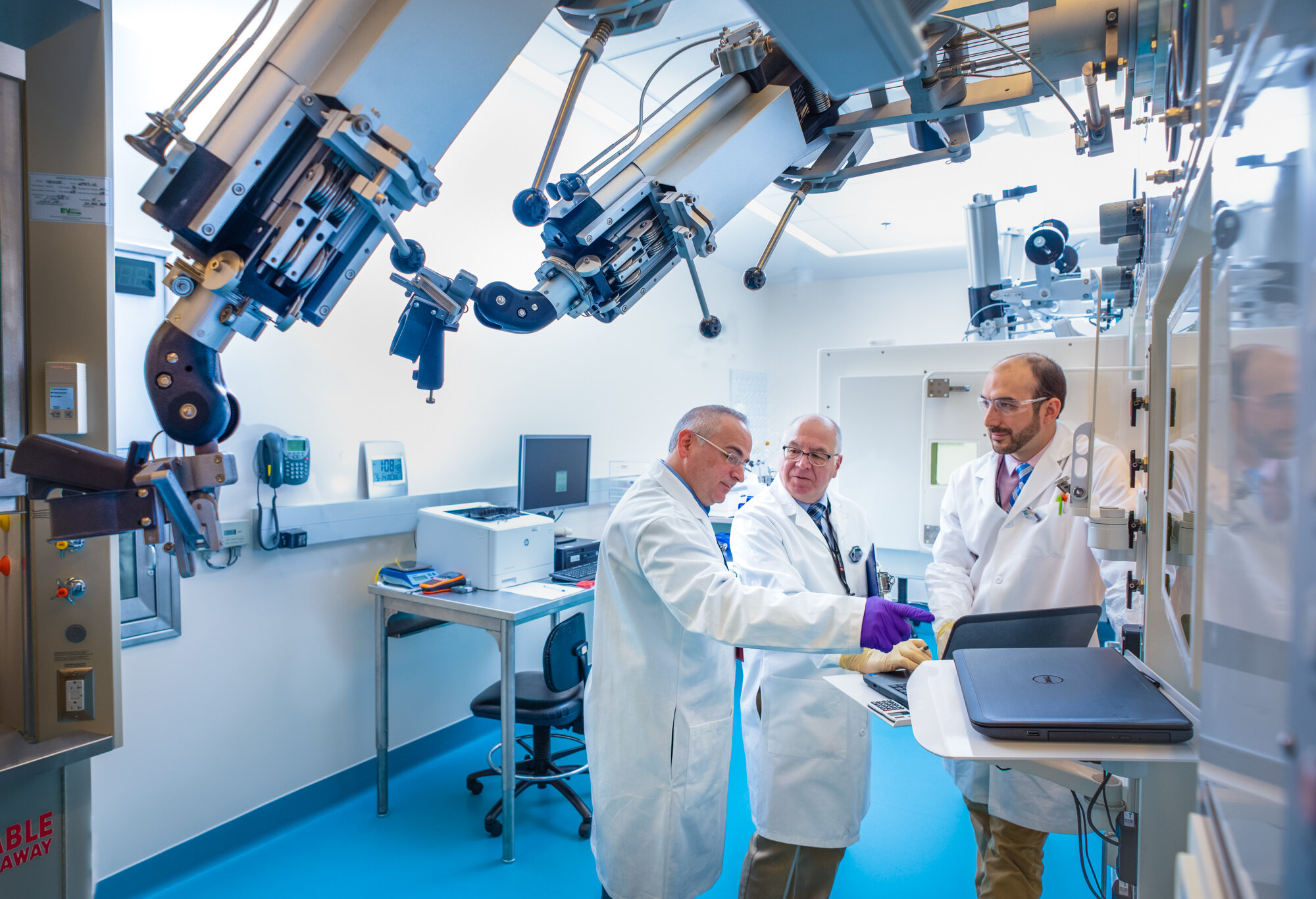
Robotic Suite at a Molecular Cancer Imaging Facility
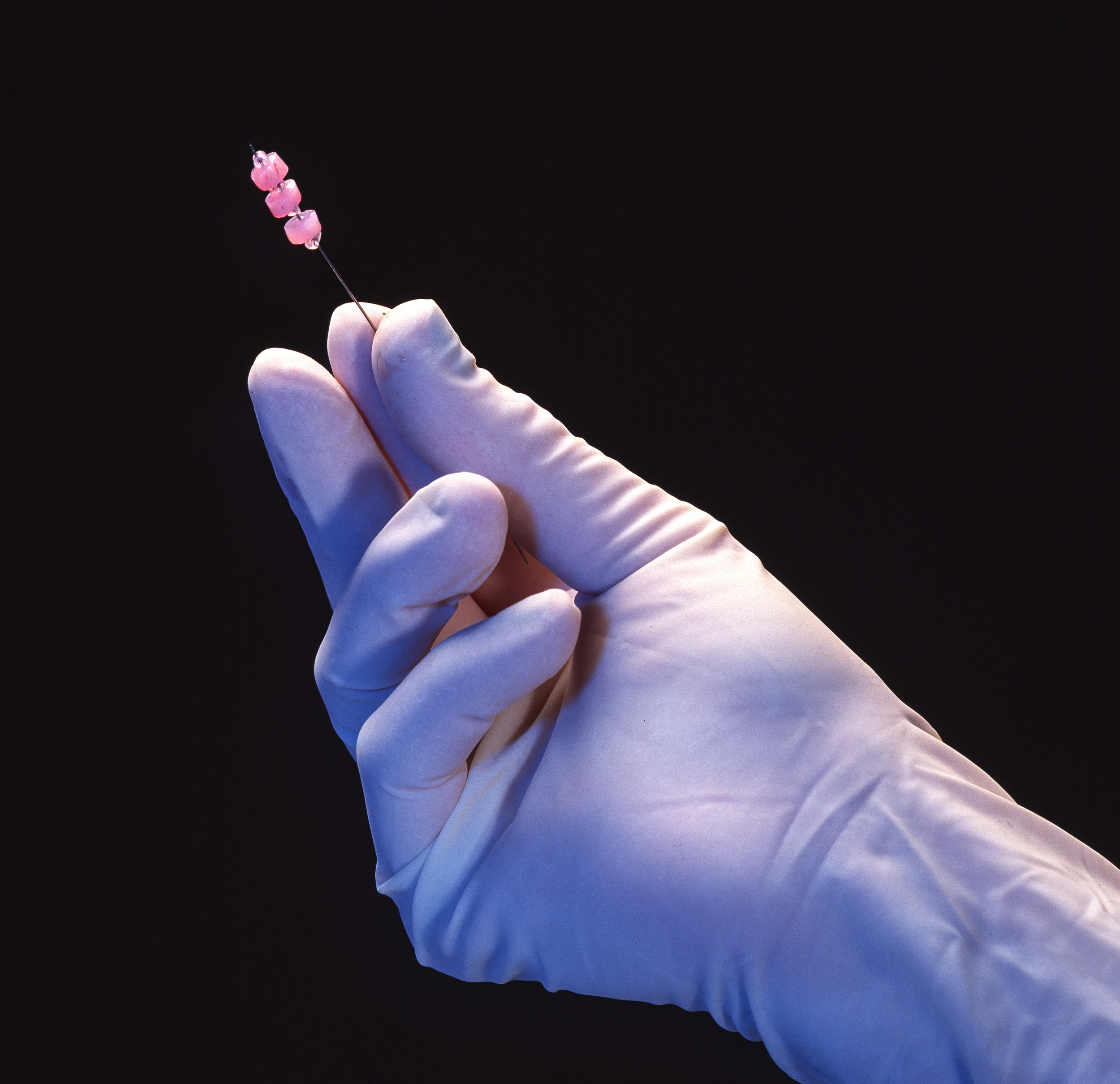
Lab-grown cartilage is engineered tissue cultivated from human cells or stem cells on a supporting scaffold to repair damaged joints and structural defects.
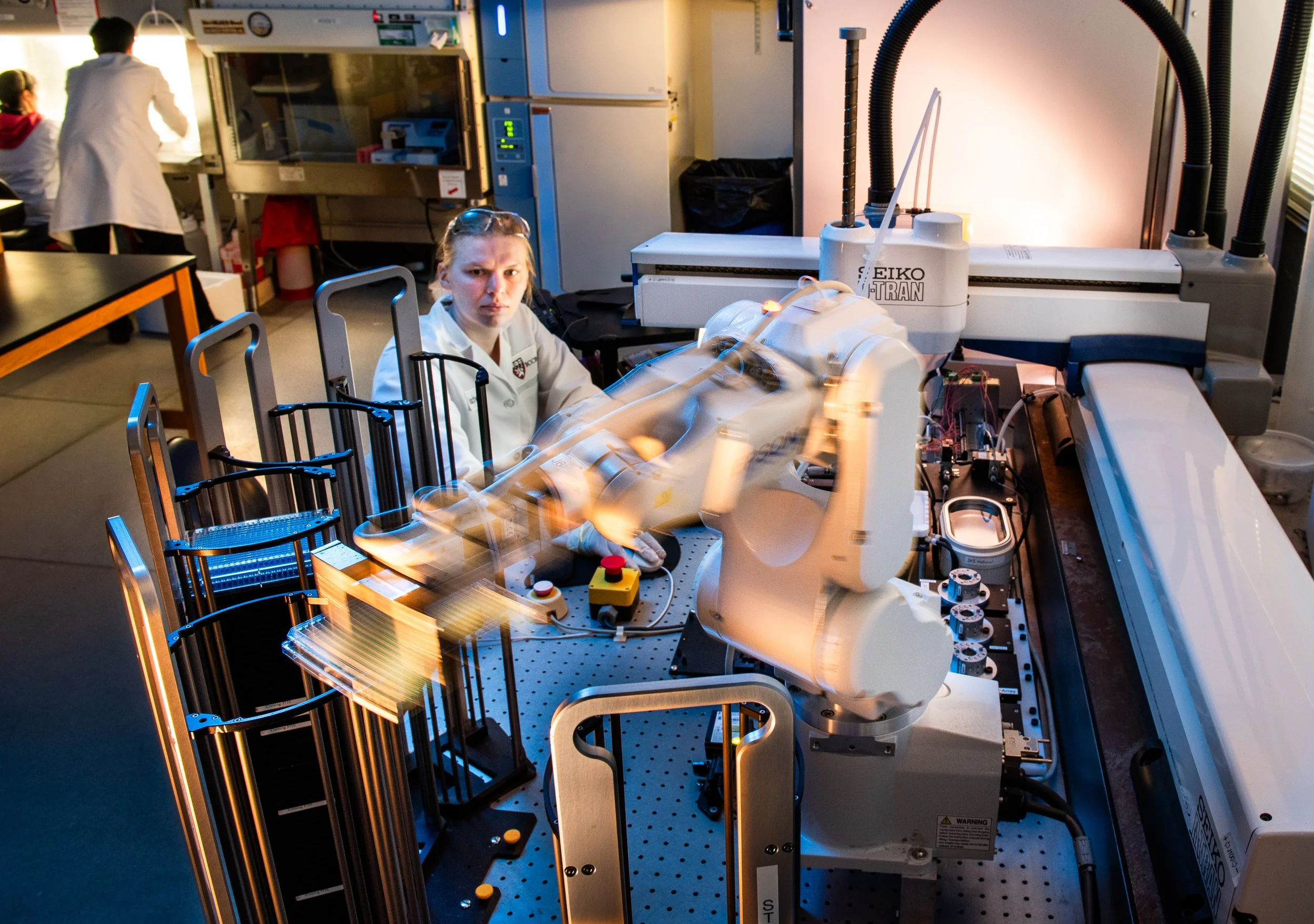
A robotic arm moves microplates between storage stacks and lab instruments as a scientist monitors the run.
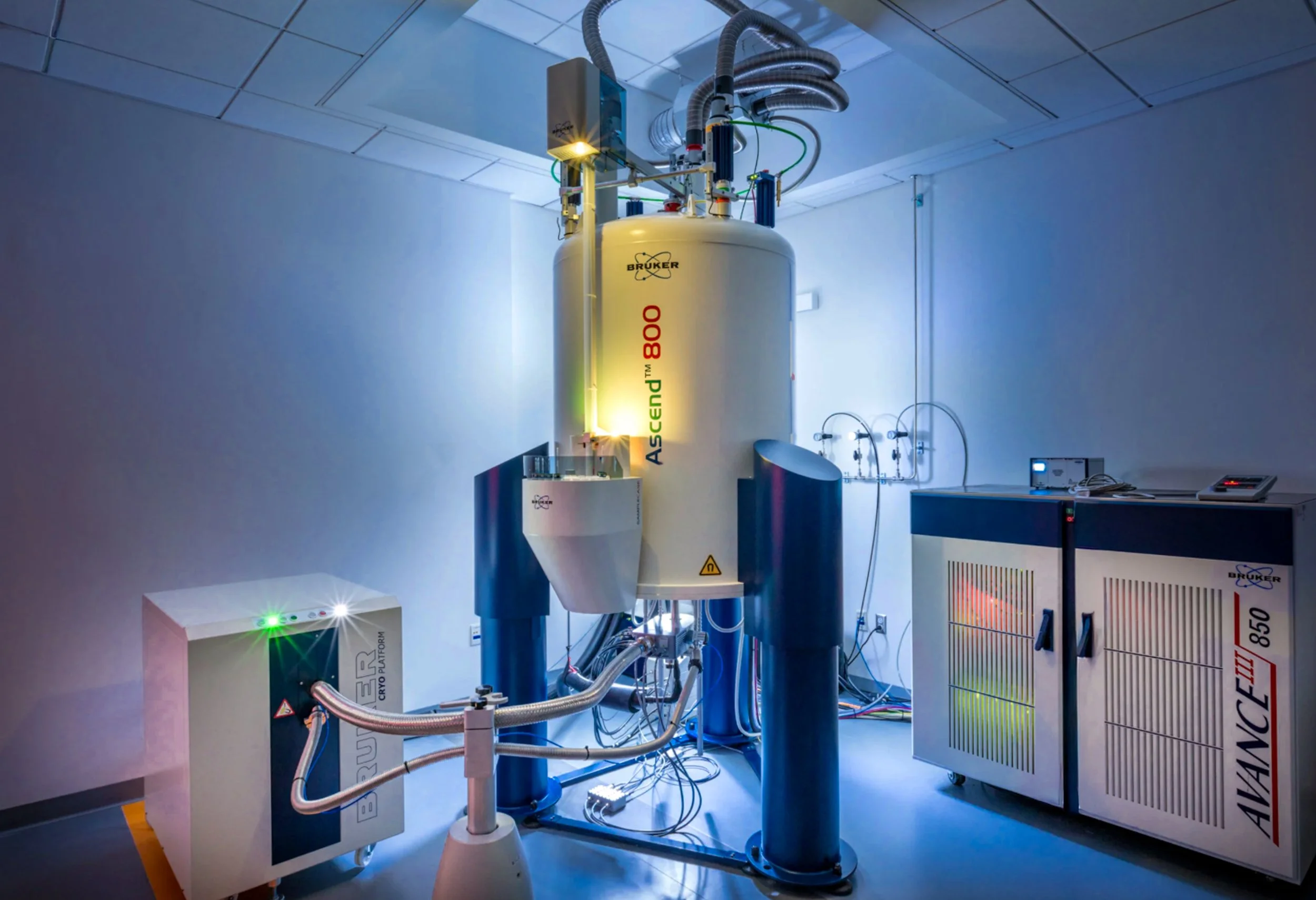
A Bruker Ascend 800 MHz NMR spectrometer produces a powerful magnetic field to reveal the atomic-level structure of molecules. Scientists use NMR to work out the detailed 3D structures of molecules in cancer drug discovery.
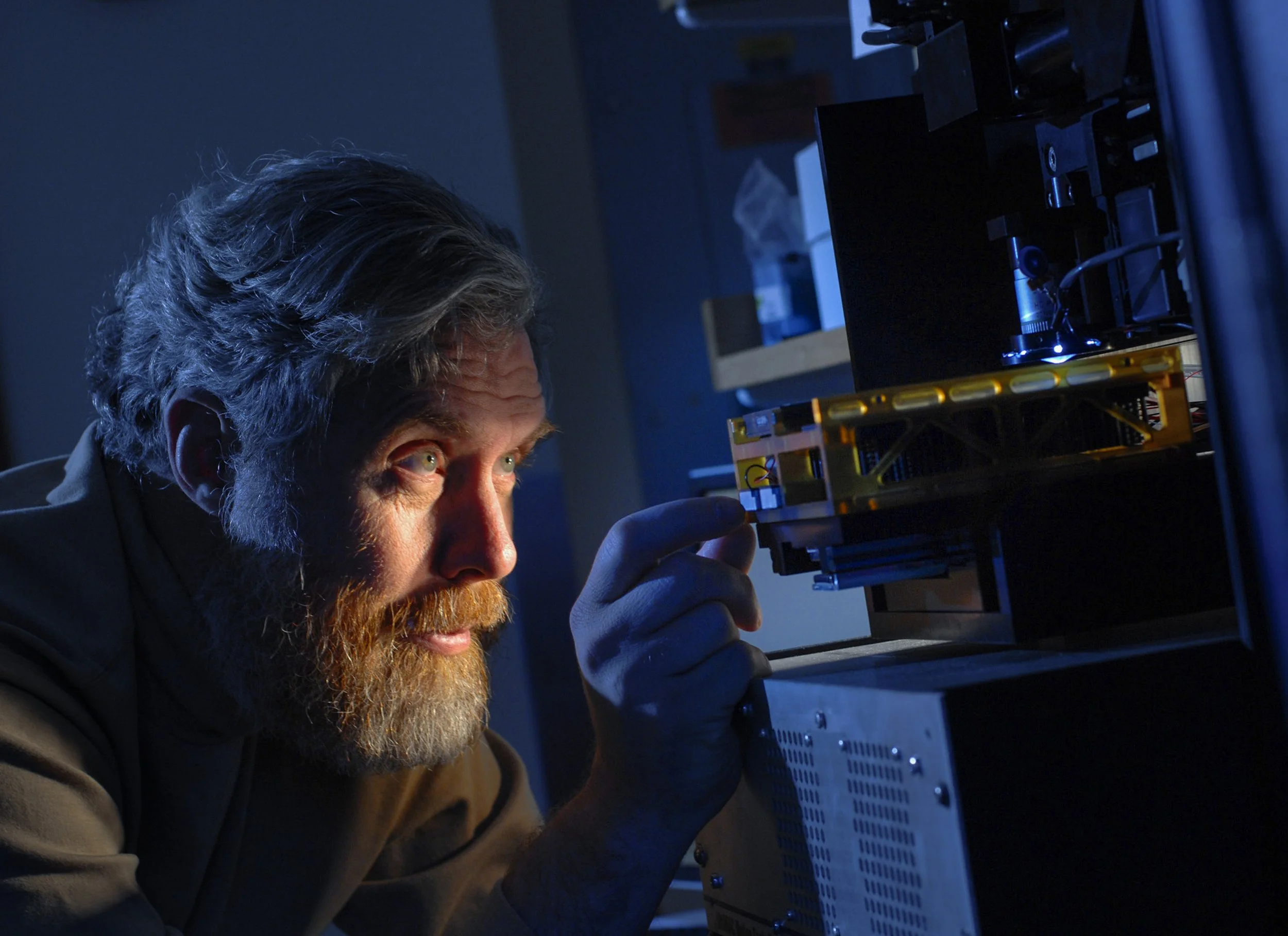
George Church, a pioneer of genomics and synthetic biology, inspects the Polonator, an open-source DNA sequencer developed by his lab and Dover Systems to help drive down the cost of genome sequencing.
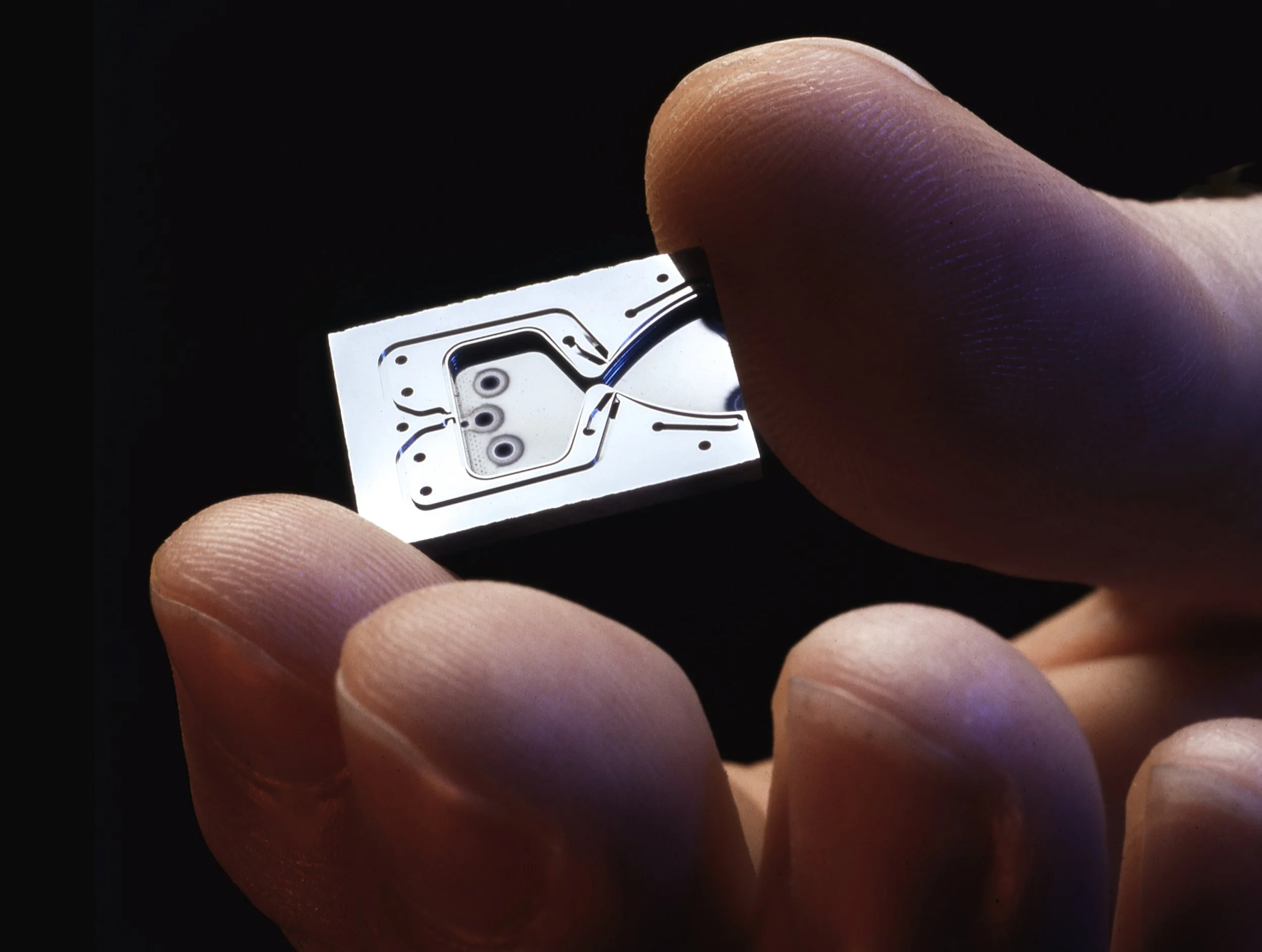
Rocket engine etched on a silicone chip is the world’s smallest rocket engine. It is the size of a finger nail and produces 20 N of thrust.
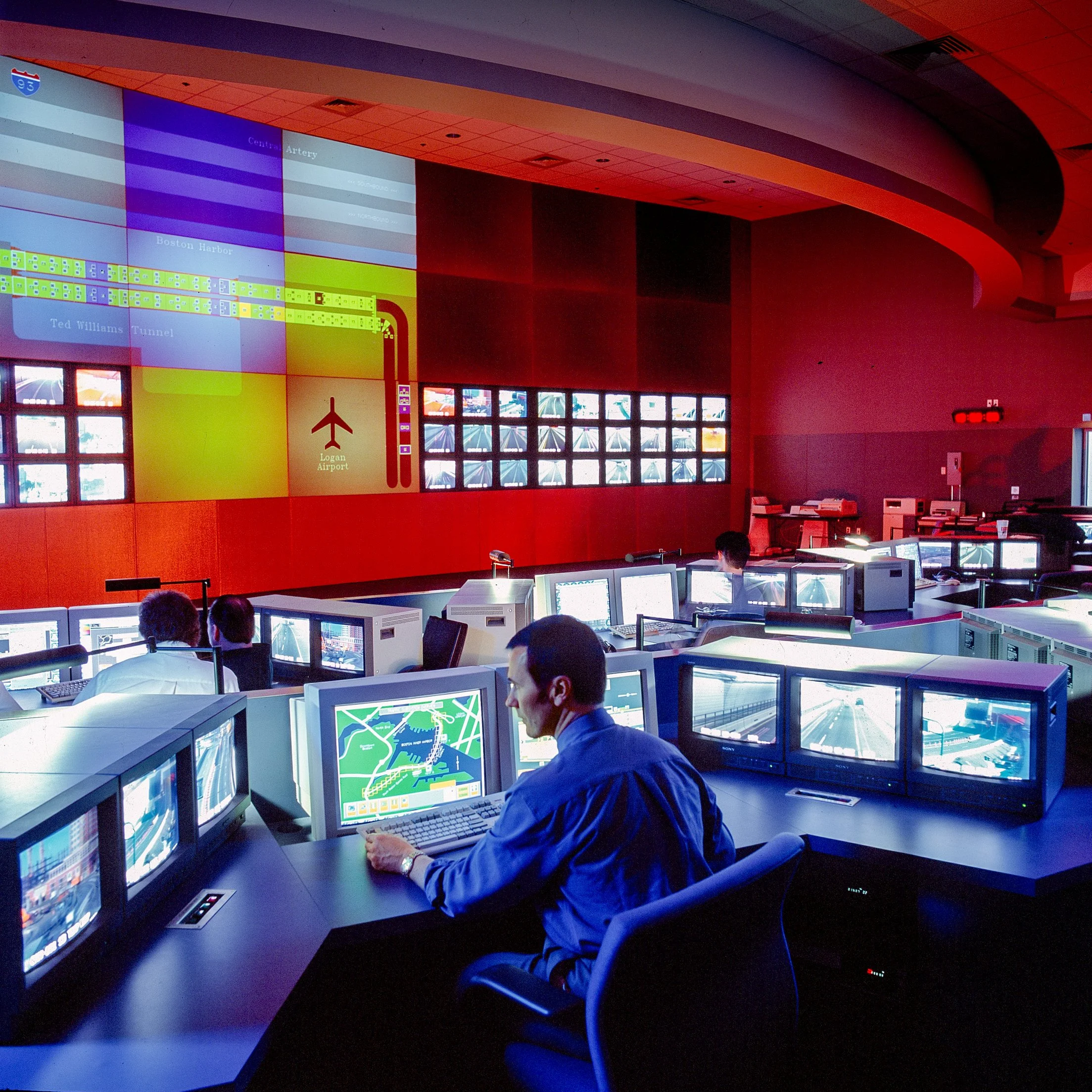
The Operations Control Center in South Boston monitors the city's highways and tunnels. A wall-sized display tracks traffic through the Ted Williams Tunnel beneath Boston Harbor to Logan Airport, alongside dozens of live camera feeds from inside the tunnels.
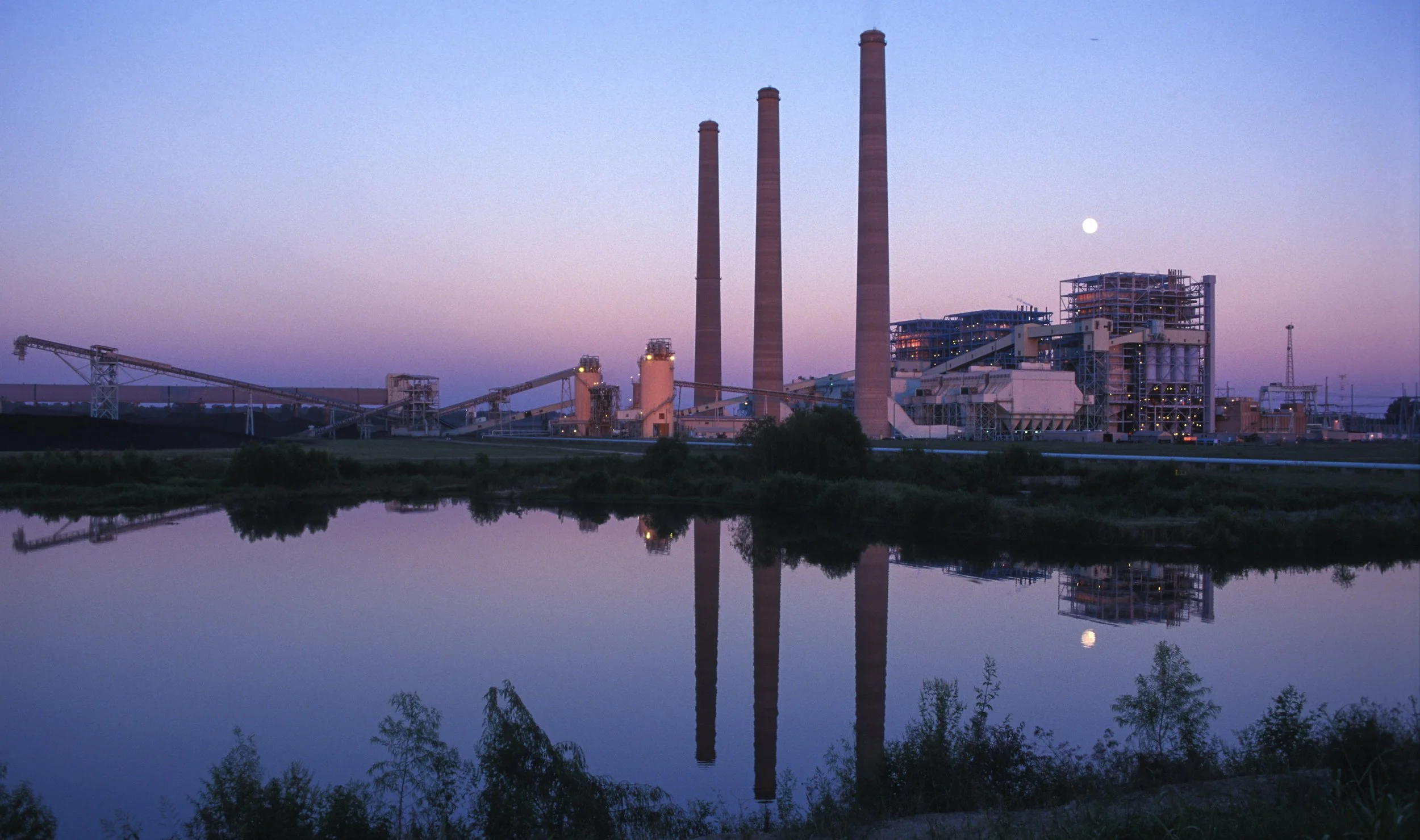
Big Cajun II generating station in New Roads, Louisiana. Client, General Electric.
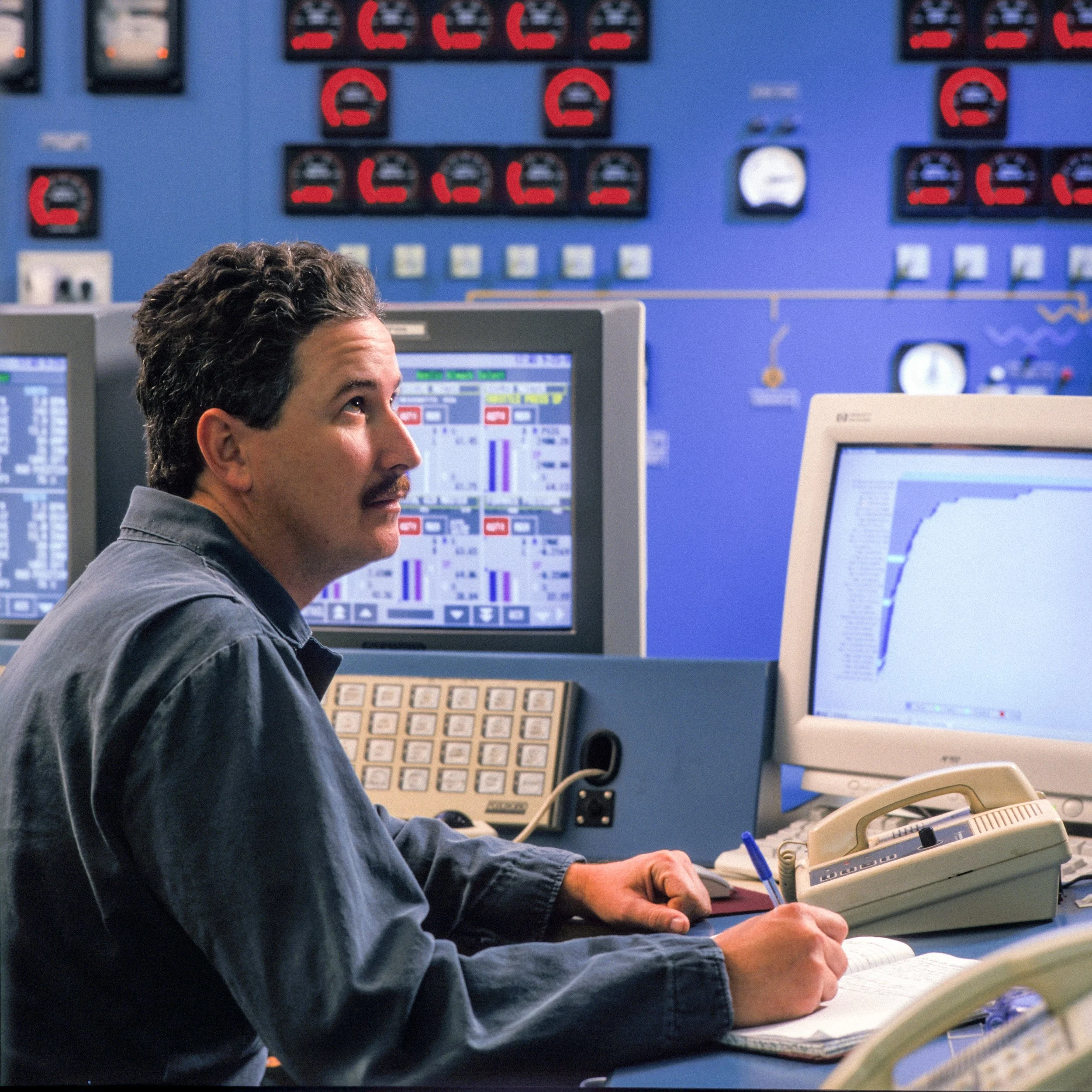
A control room operator monitors the Big Cajun II generating station in New Roads, Louisiana. The plant generated about 1,700 megawatts, enough electricity for roughly a million homes. Client, General Electric
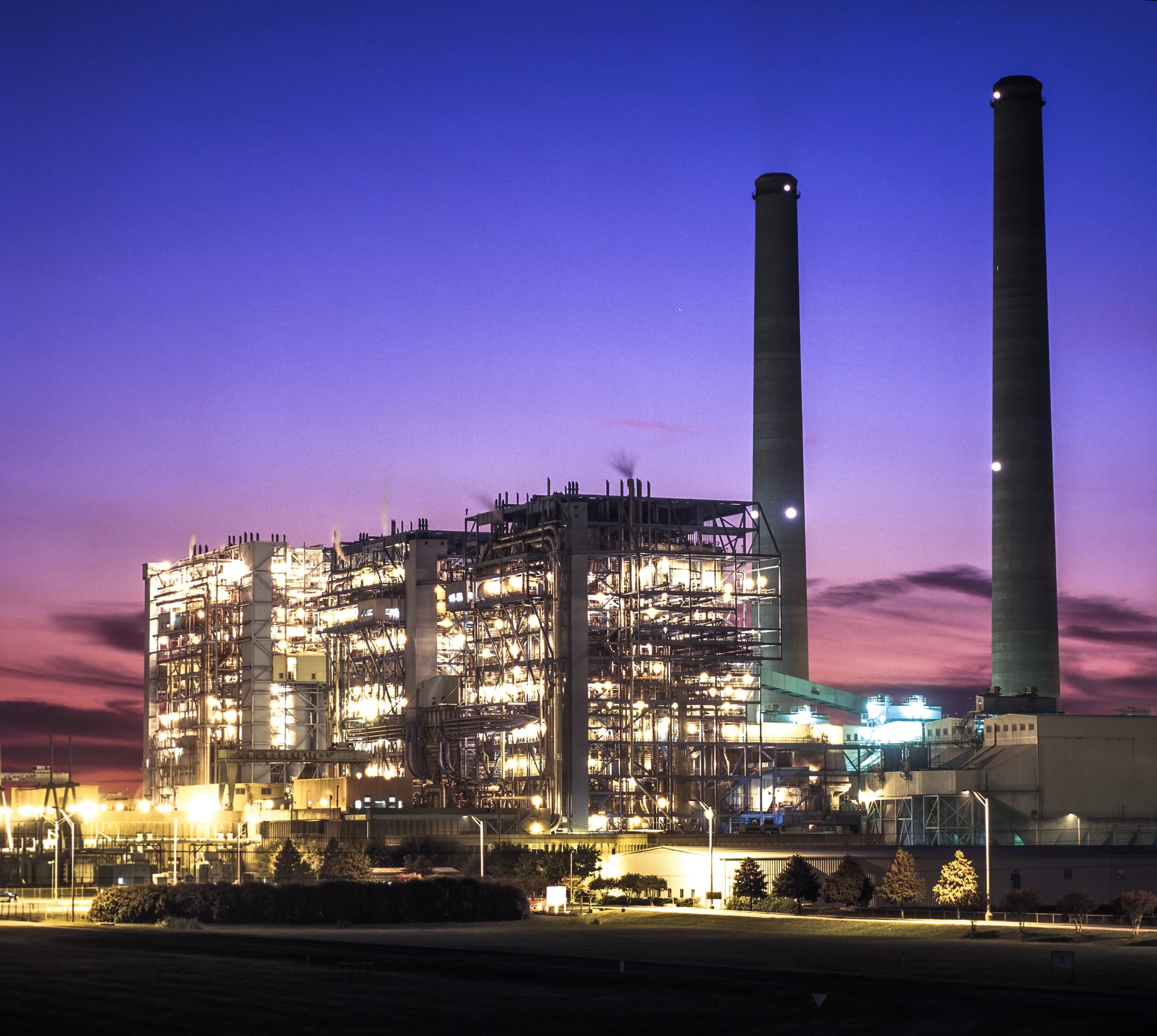
Big Cajun II generating station in New Roads, Louisiana. Client, General Electric.
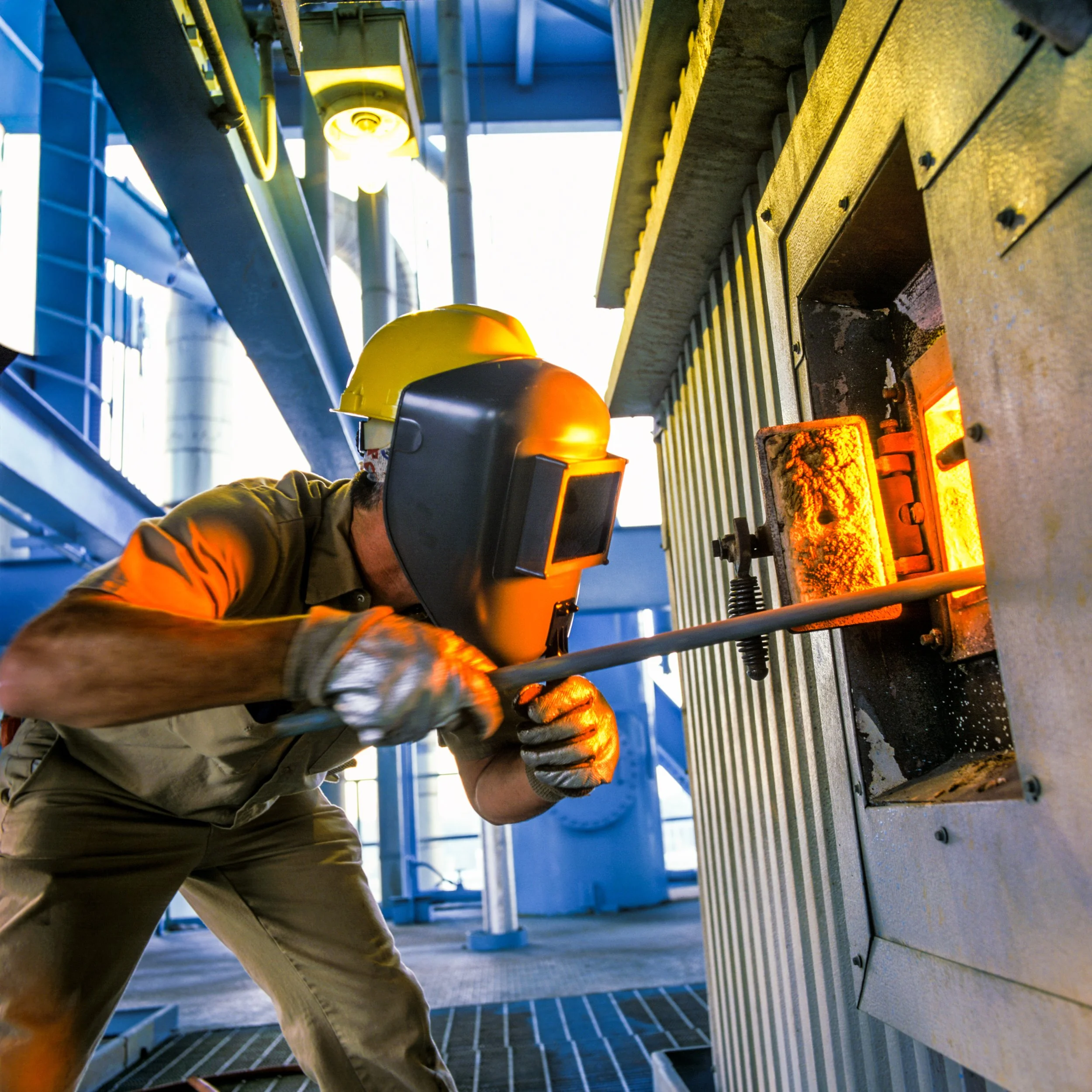
A plant operator “rods” a boiler port to clear ash buildup from walls inside the furnace. Big Cajun II Generating Station in New Roads, Louisiana. Client, General Electric.
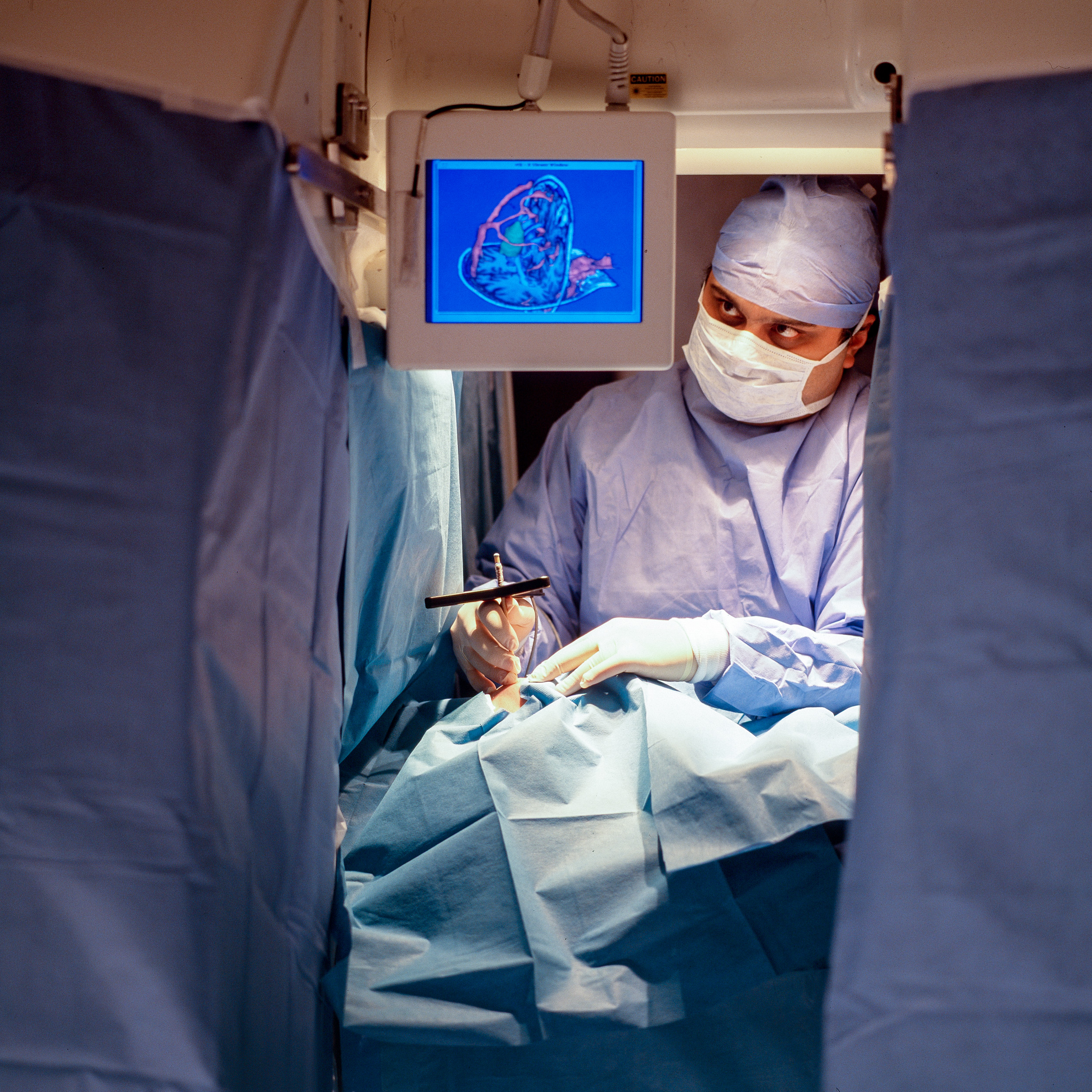
A surgeon operates inside the gap of the Signa SP "double doughnut," the world's first intraoperative MRI. Its open design let two surgeons work on either side of the patient. Tracked instruments were mapped onto MRI images refreshed during surgery. The Brigham replaced the system with the AMIGO suite.
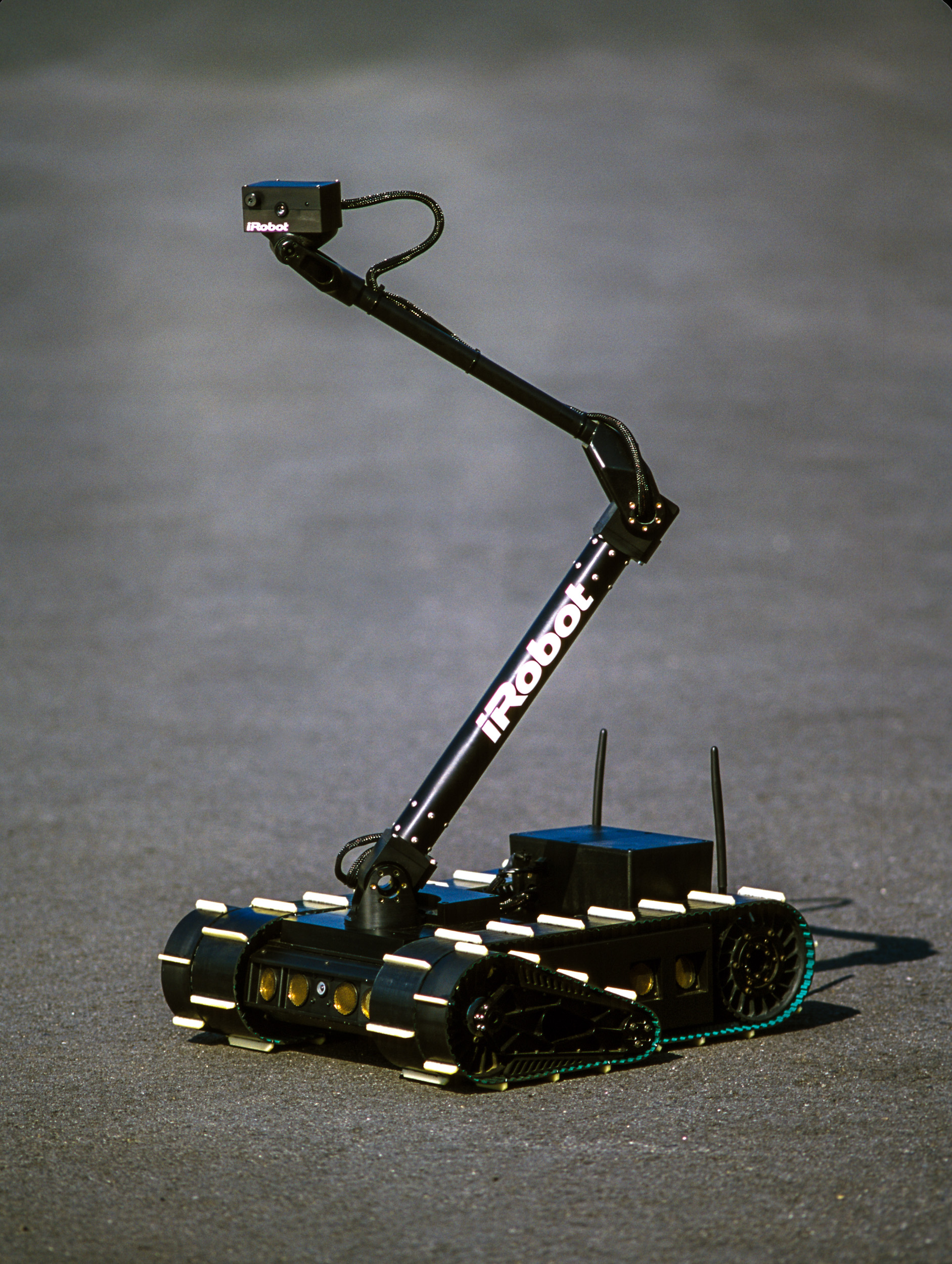
This SUGV manufactured by iRobot Corporation is a prototype that was later developed for use by soldiers, combat engineers and mobile explosive ordnance disposal.
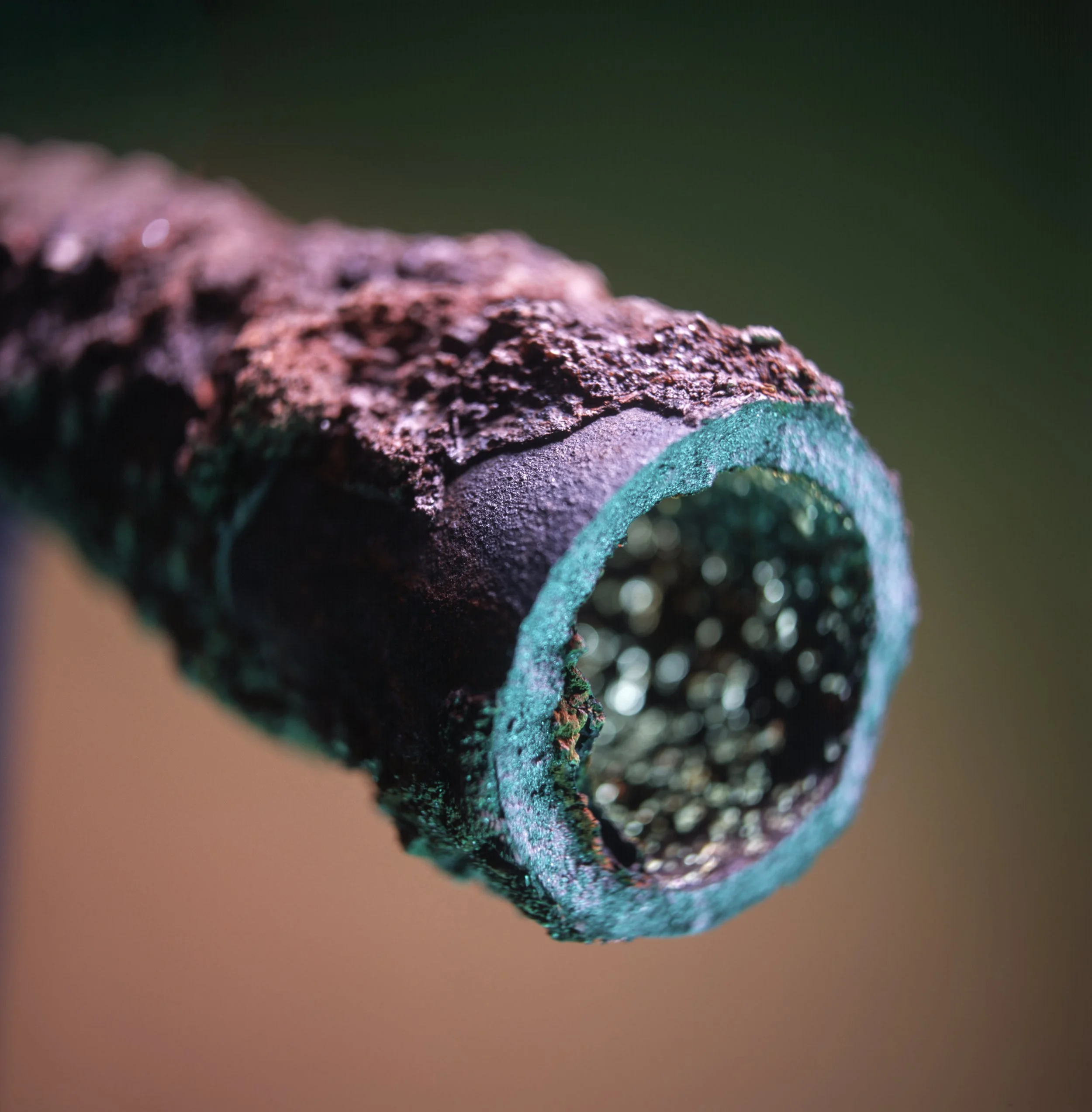
Mineral scale and corrosion inside and outside a municipal water pipe.
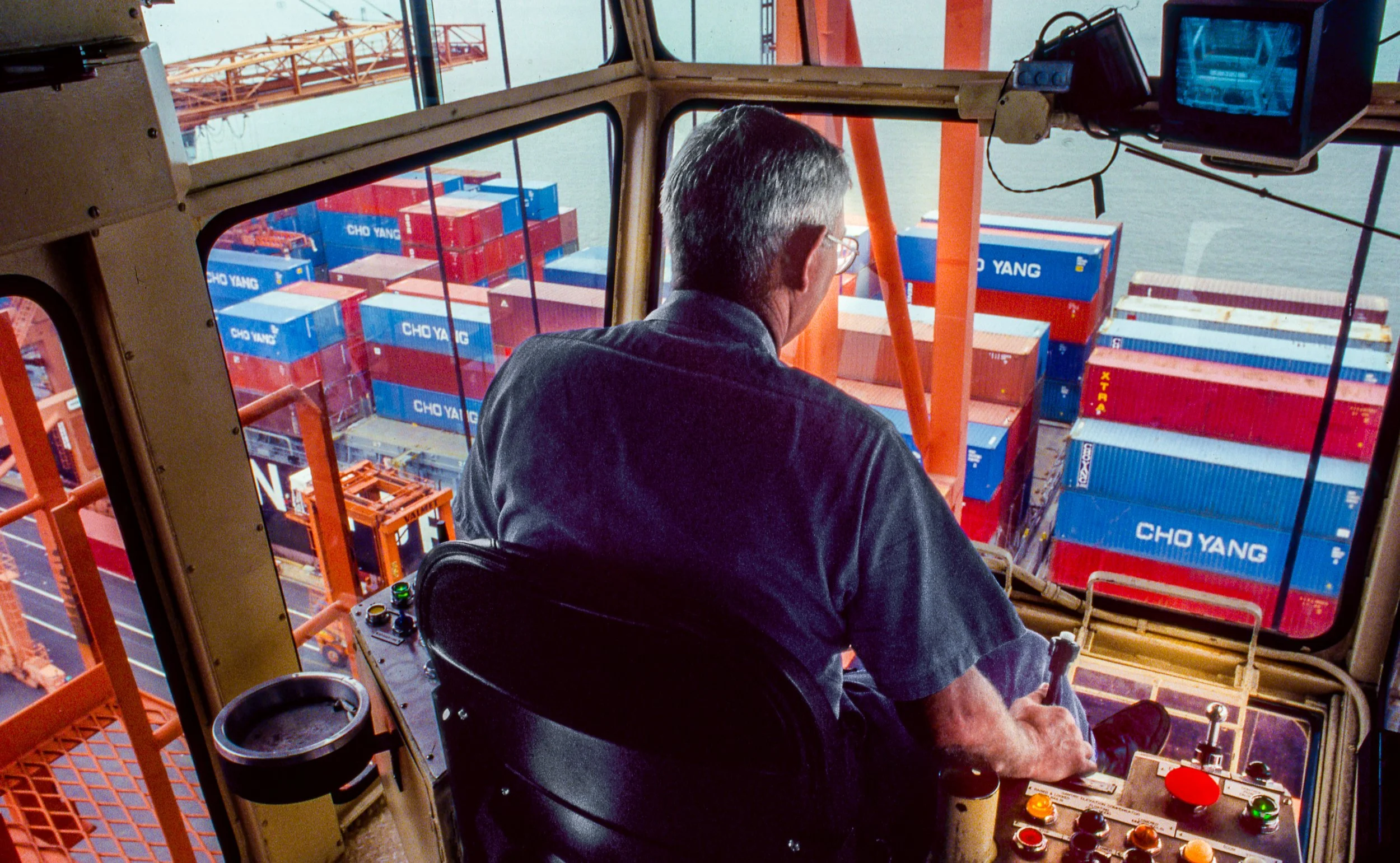
From his cab high above the dock, a crane operator in the Port of Norfolk, Virginia, guides containers on and off a ship, a job that demands precision, focus, and steady hands. Client GE.

A gantry crane lifts a Cho Yang shipping container at the Port of Norfolk, Virginia, one of the busiest cargo ports on the East Coast. Client GE.

Evening at the shipping Port of Norfolk, Virginia. Client GE
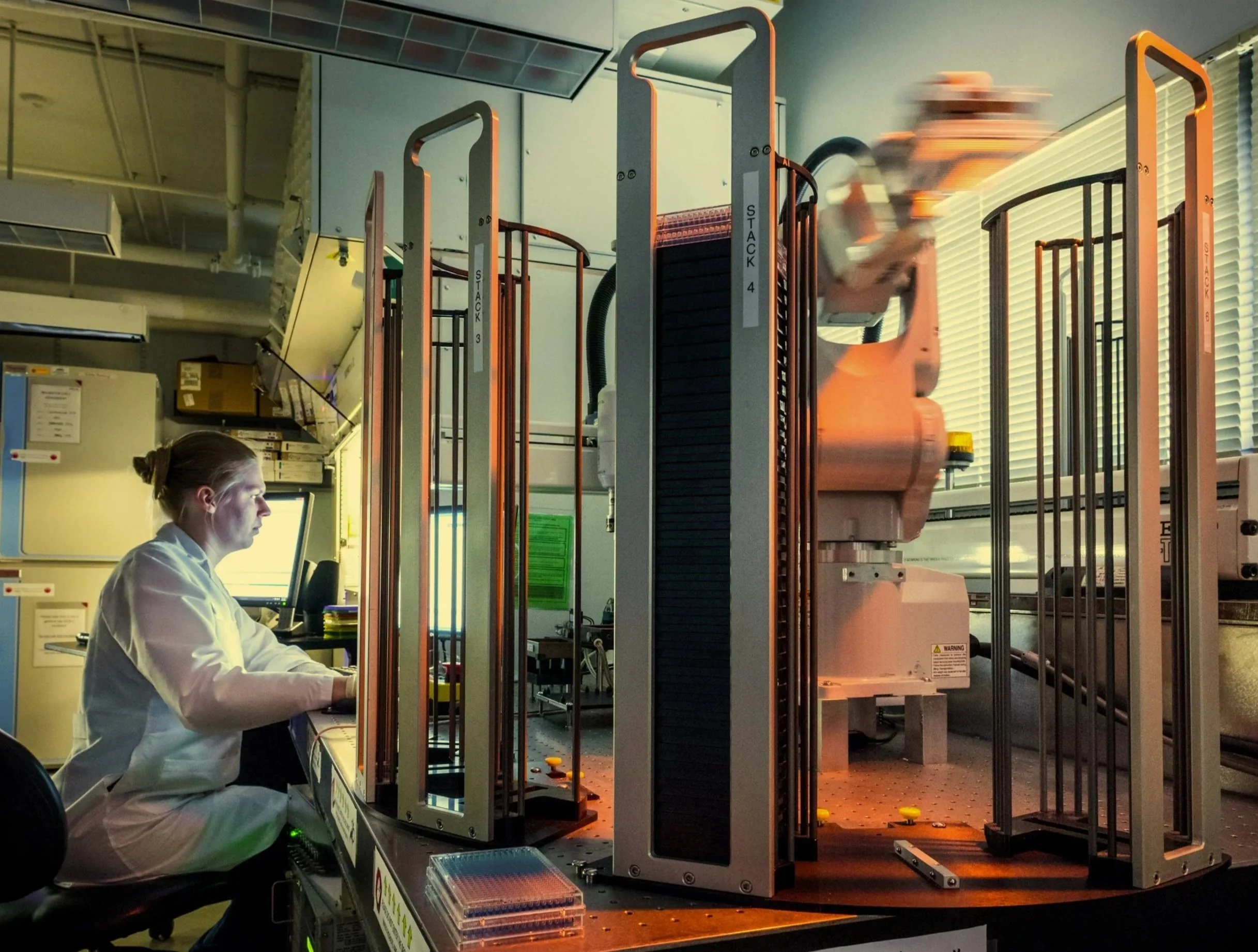
A robotic arm moves microplates between storage stacks and lab instruments as a scientist monitors the run.
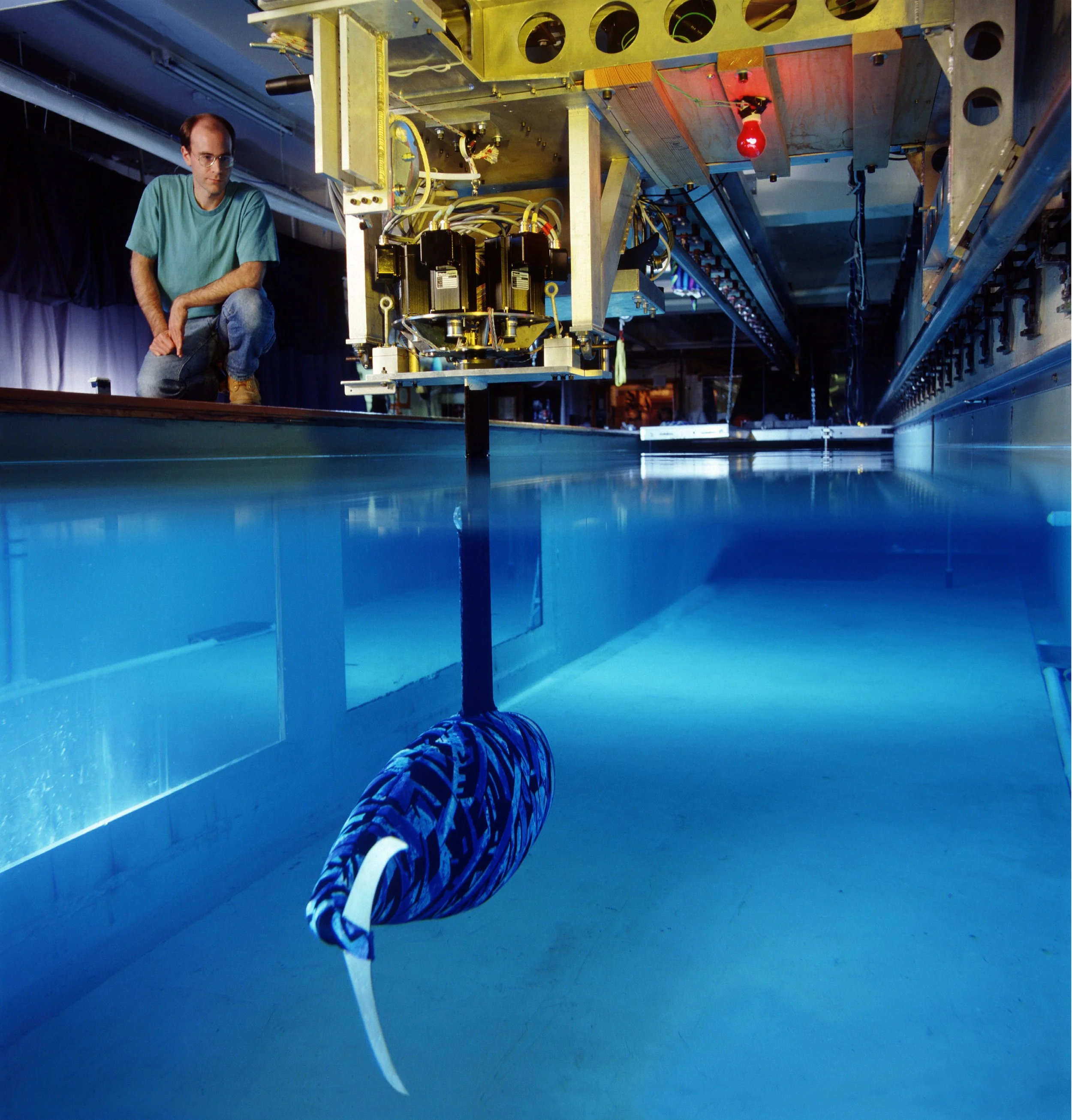
RoboTuna testing in MIT’s Ocean Engineering test tank. John Kumph watches.

Red dye traces the underwater fin swirls of a gantry mounted RoboTuna. (I sourced 2 gallons of red dye to show swirls, carefully mounted my camera to the gantry above and positioned multiple strobes underwater to illuminate the 100 foot tank. RoboTuna swam one length and the entire tank turned red and needed to be drained. No second chances.)

Robopike, the first free-swimming robot fish, was a project started with an aim to investigate the possibility of constructing a robotic submarine that could reproduce the way tuna and pike swim and find a superior system of propulsion for autonomous underwater vehicles.
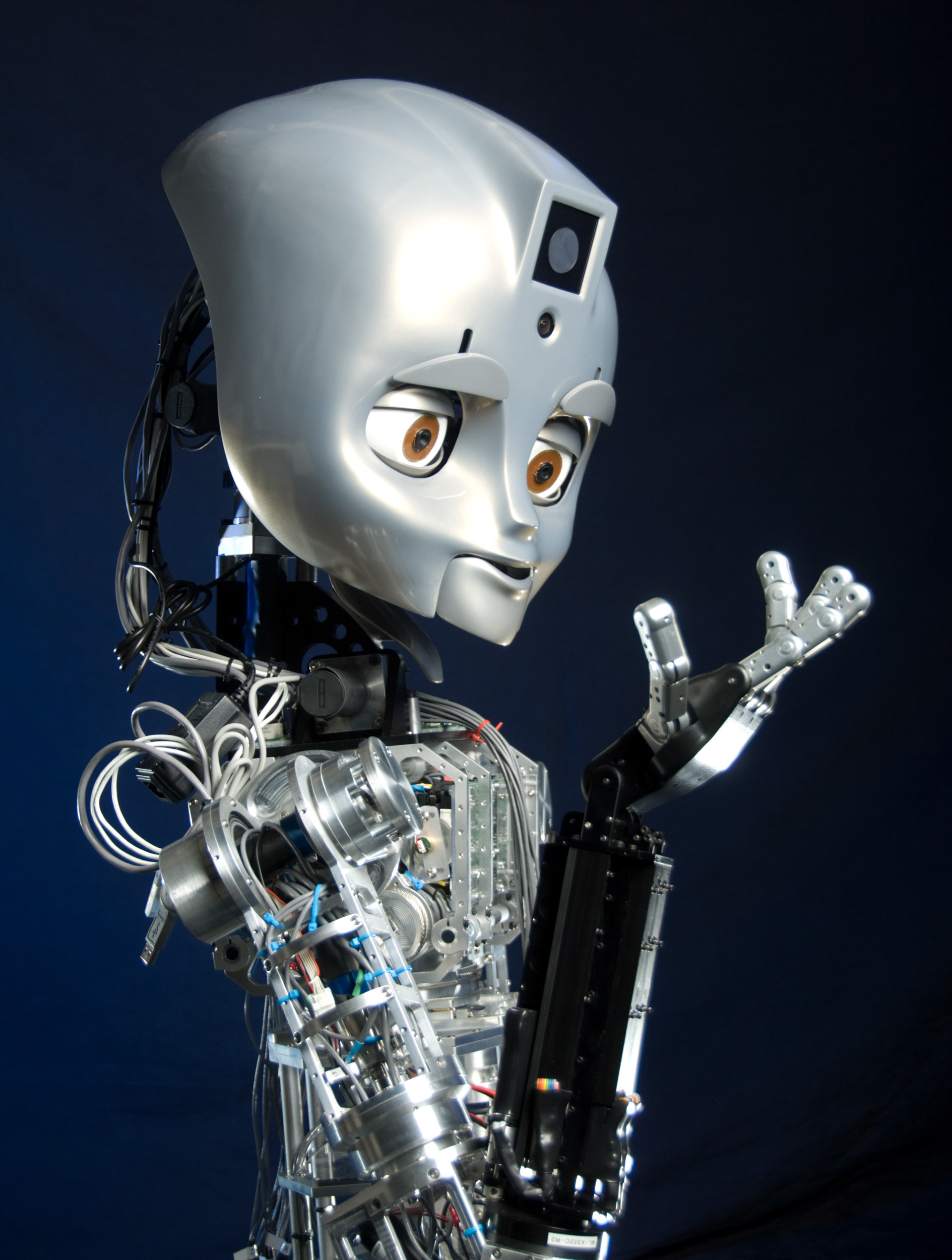
Maddox is an MDS (mobile, dexterous, social) robot from the MIT Media Lab.
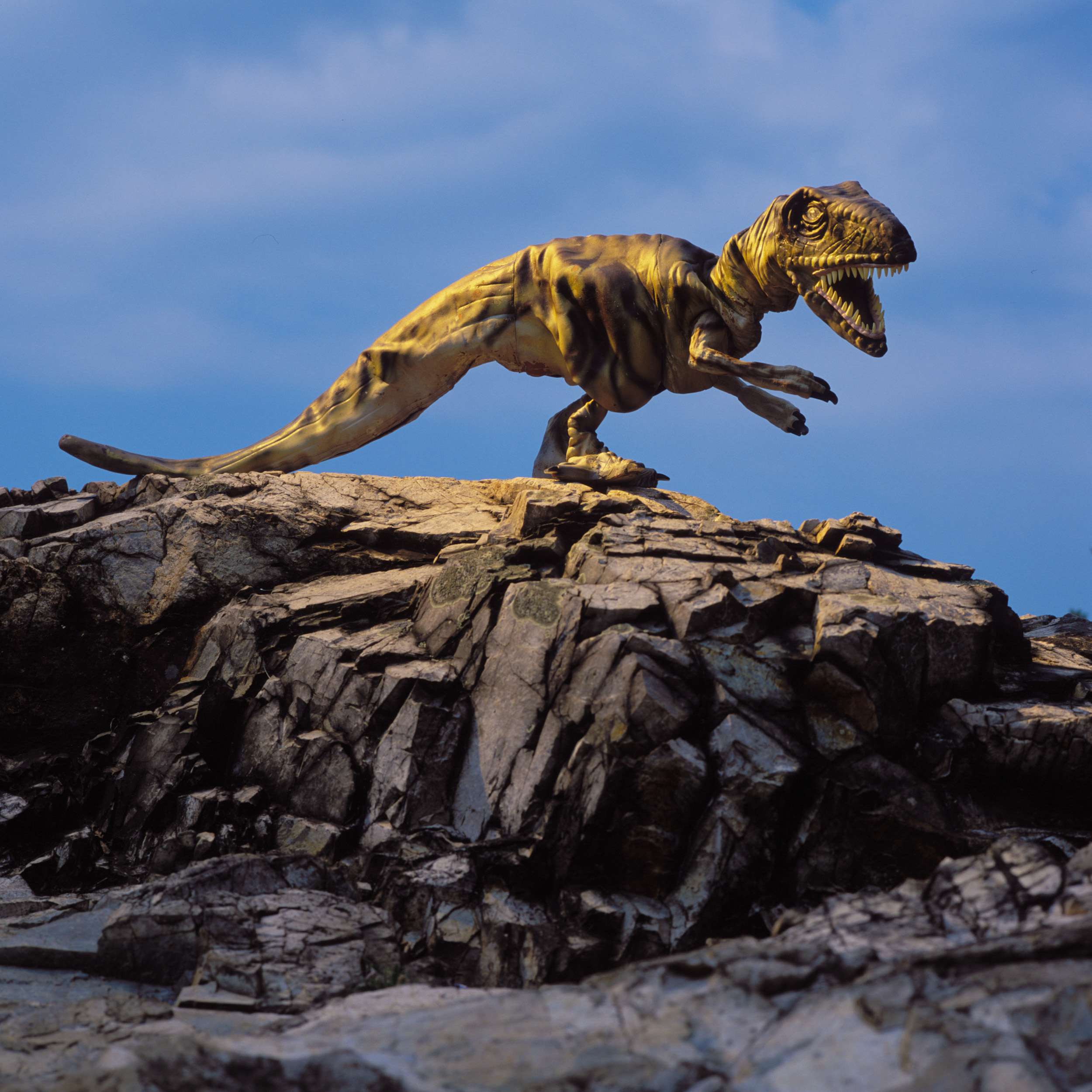
Troody is an autonomous, bipedal robotic dinosaur modeled after a dinosaur from the Cretaceous period. Troody is about 4 feet long, weighs about ten pounds, and has 16 joints and 36 sensors.
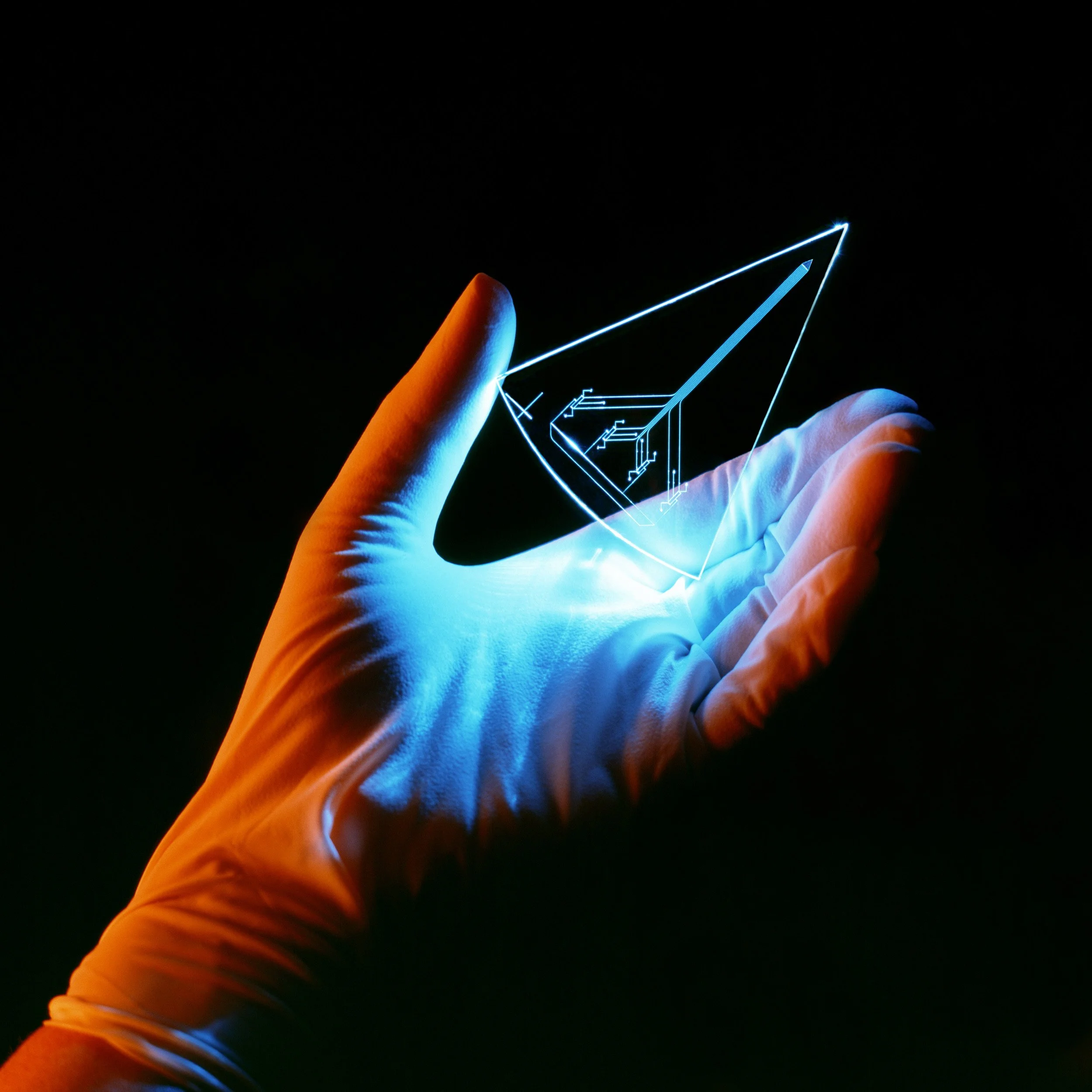
A glass chip etched with microscopic channels, developed at the Whitehead Institute to read DNA faster. Tiny channels replaced bulky lab equipment and cut sequencing time from hours to minutes.

Matsuoka Hand: 4-Actuator, 36-Sensor Tendon-Driven End Effector with FSR Tactile Sensing, Cog Humanoid Platform, MIT AI Lab

Cog was a project at the Humanoid Robotics Group of MIT. It was based on the hypothesis that human-level intelligence requires gaining experience from interacting with humans, like human infants do.

The bare mechanical head of Autom, Cory Kidd's robotic weight-loss coach, shown without its outer shell.
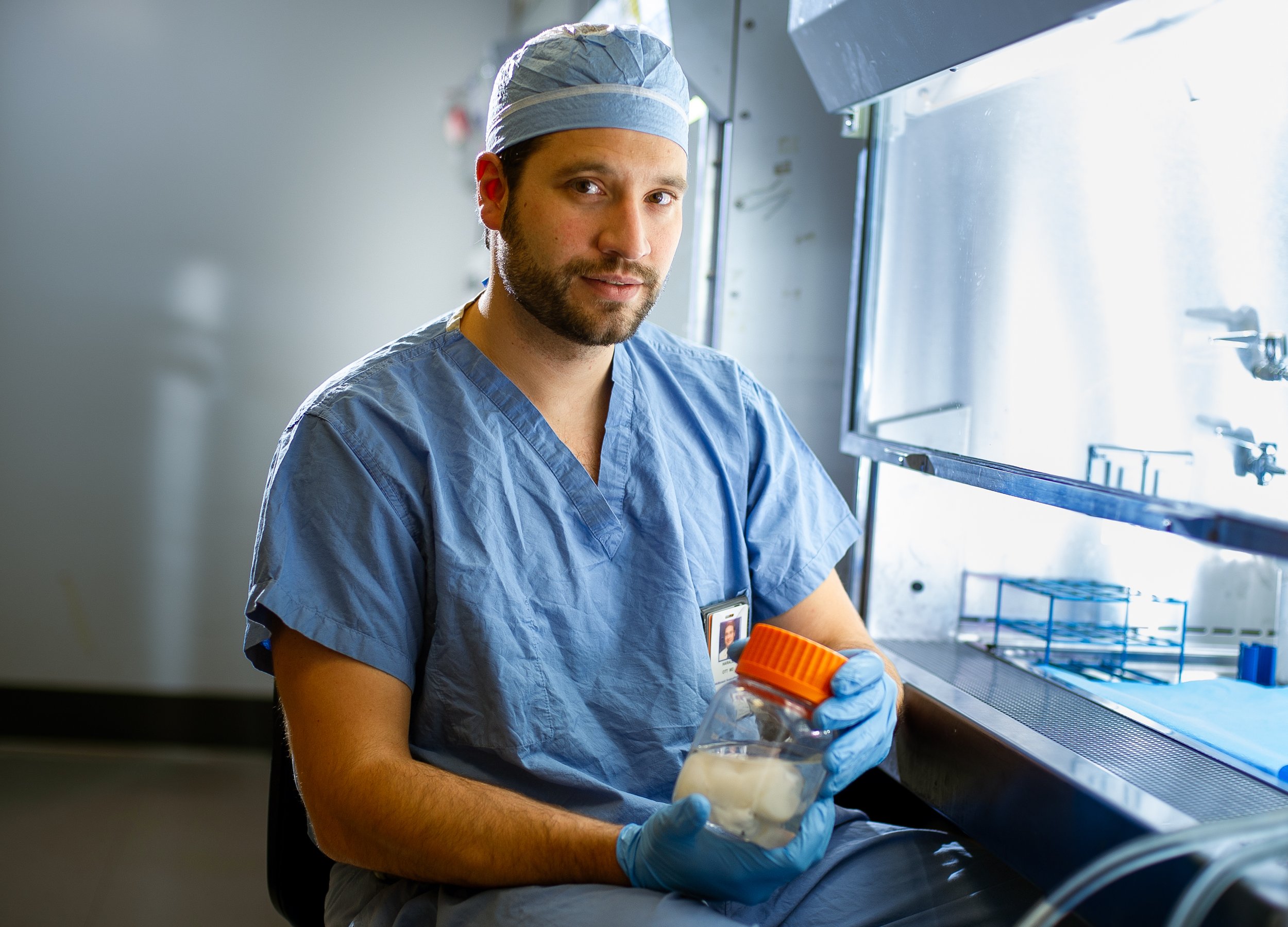
Dr. Harald Ott, Organ Regeneration Pioneer, Massachusetts General Hospital.

This SUGV manufactured by iRobot Corporation is a prototype that was later developed for use by soldiers, combat engineers and mobile explosive ordnance disposal.
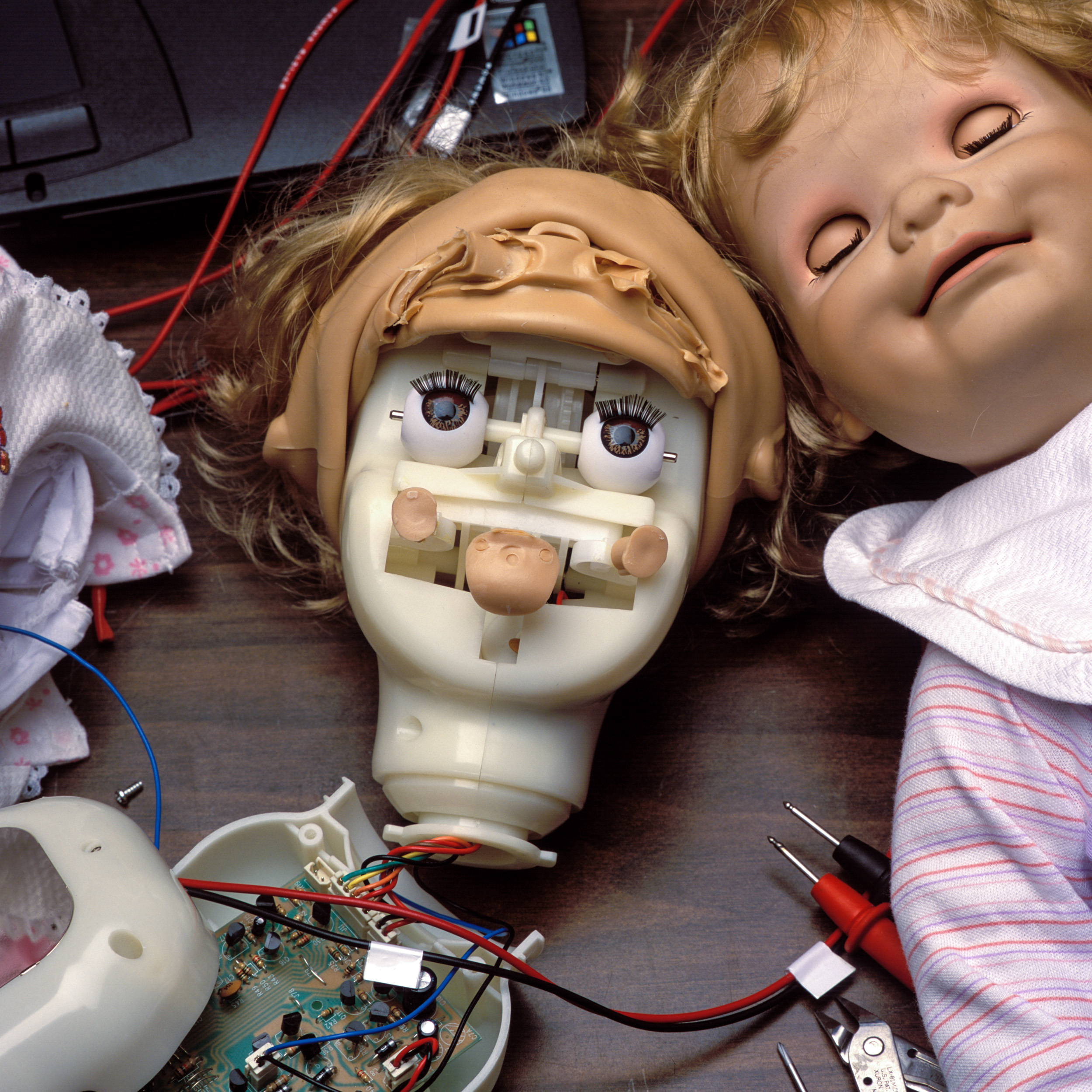
A disassembled My Real Baby reveals the mechanisms beneath its face. Released with Hasbro in 2000, the doll was one of iRobot's early steps into consumer robotics, two years before the company launched the Roomba vacuum and helped bring robots into millions of homes.

A robotic flower garden that senses and responds to people, created by Cynthia Breazeal's Robotic Life Group at MIT. Hidden sensors detect visitors' hands and bodies, prompting petals to open and close, tentacles to reach or retreat, and blossoms to sway and glow.
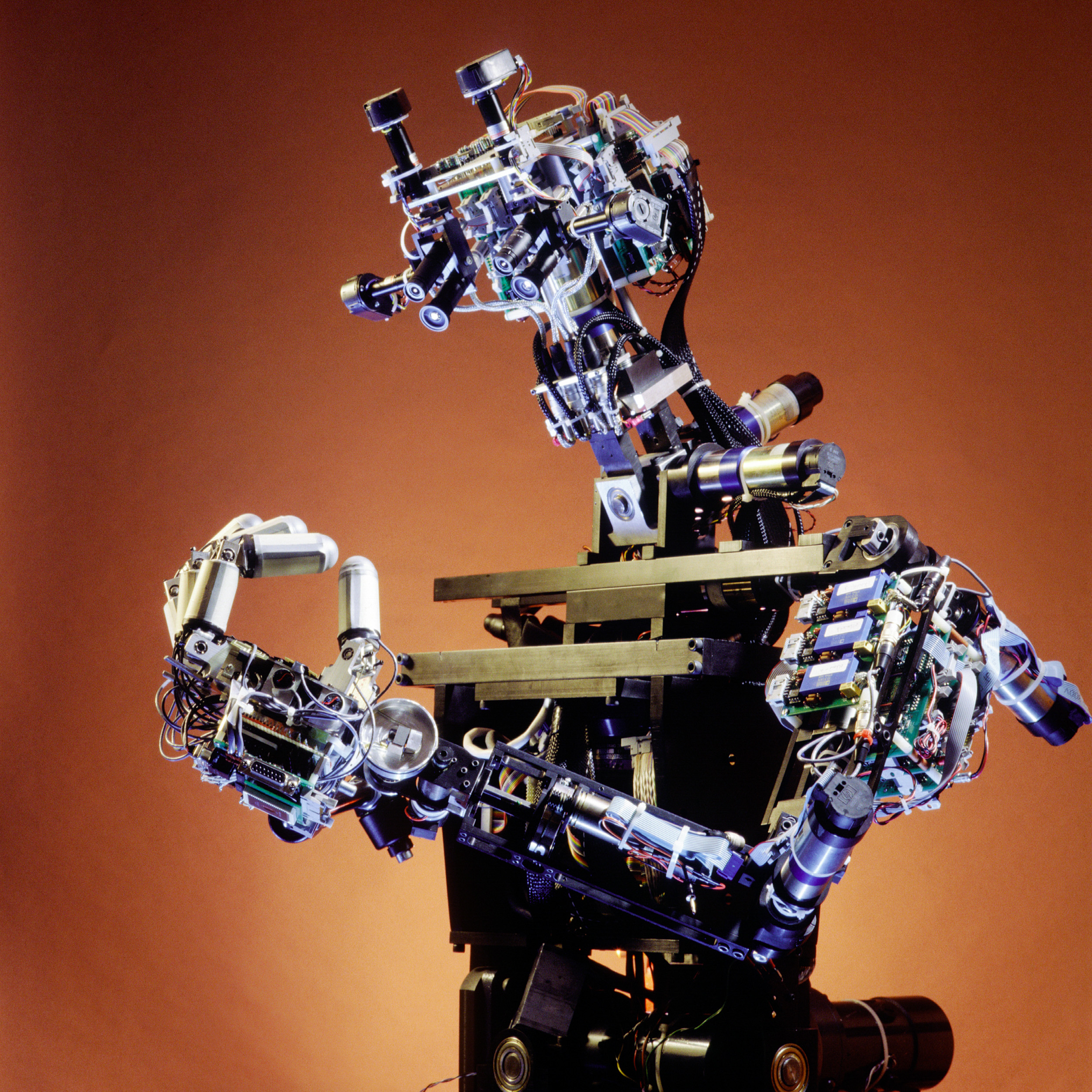
Cog was a project at the Humanoid Robotics Group of MIT.
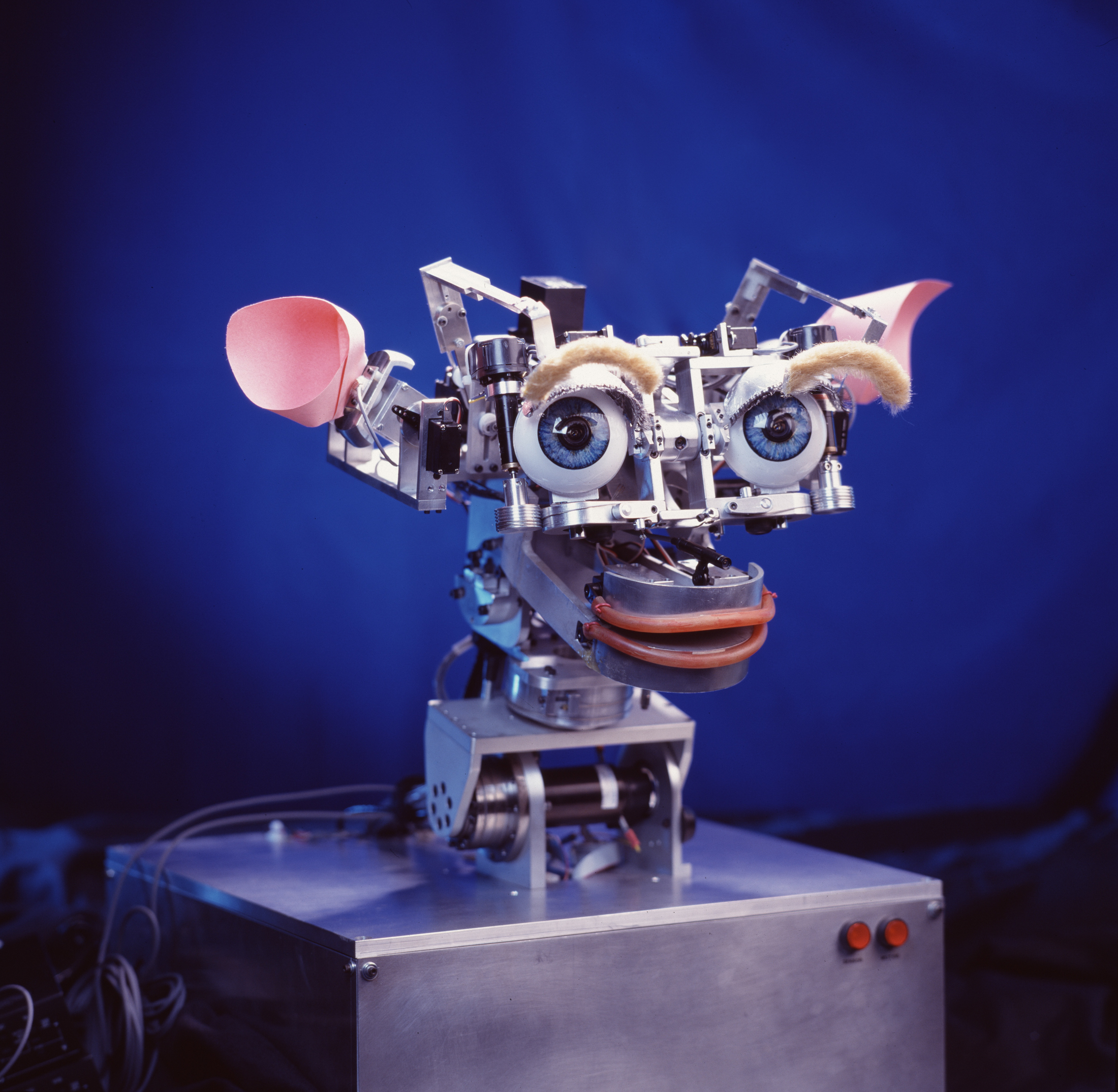
Kismet is a robot head made in the late 1990s at Massachusetts Institute of Technology by Dr. Cynthia Breazeal as an experiment in affective computing; a machine that can recognize and simulate emotions.
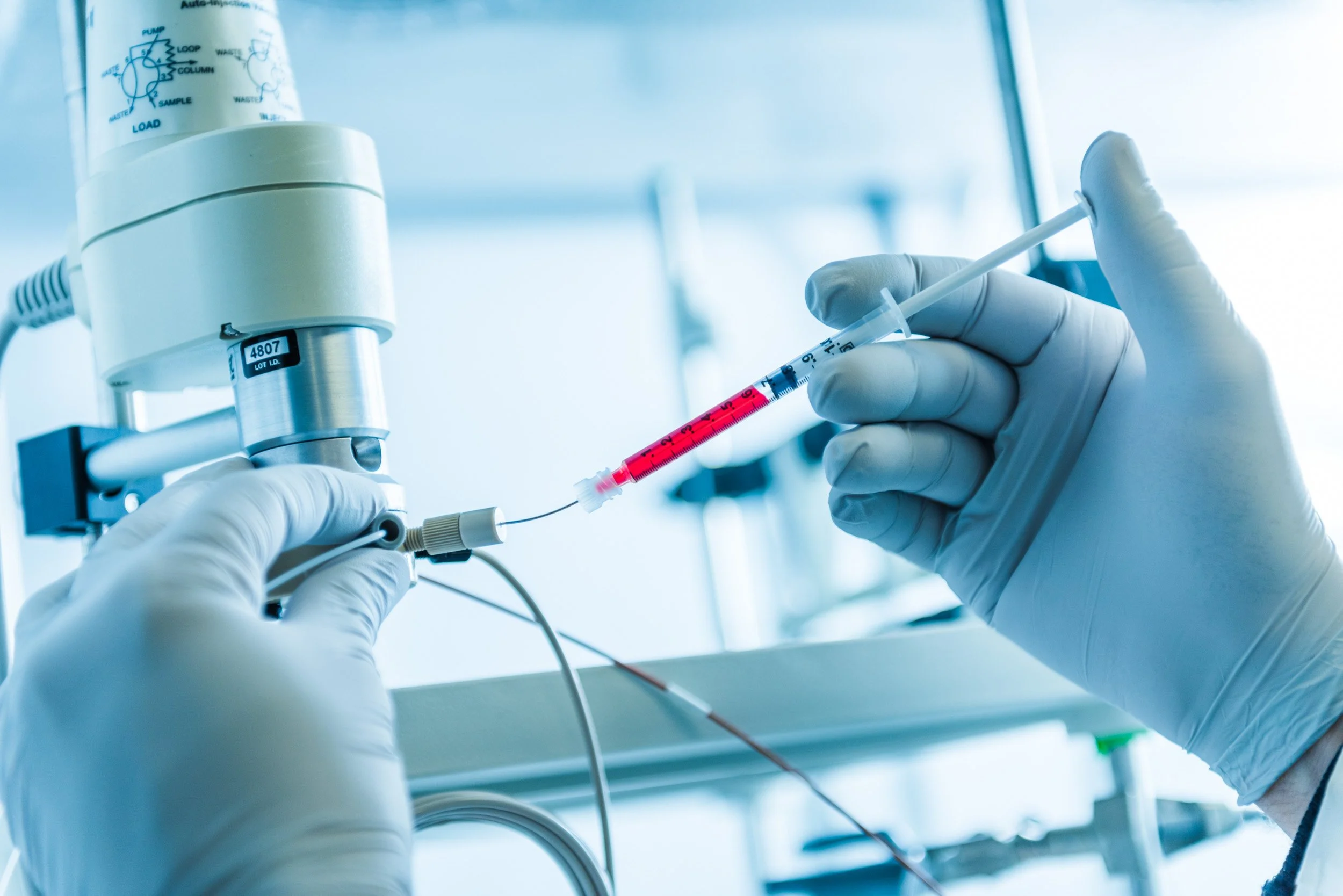
Injecting a sample from a syringe into a liquid chromatography instrument in a research laboratory.
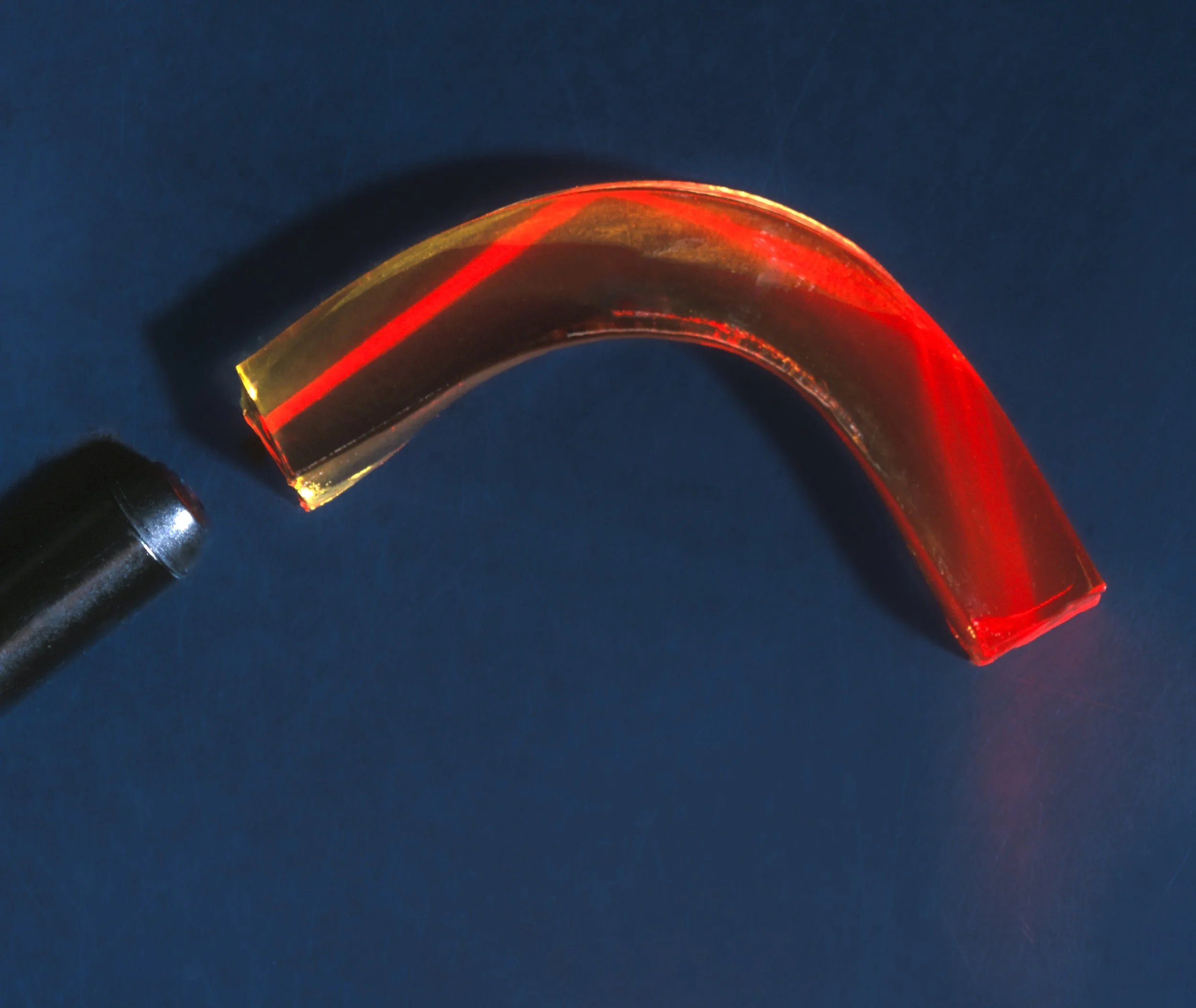
A gelatin strip acts as a makeshift optical fiber guiding a red laser beam around a curve with just internal reflection.
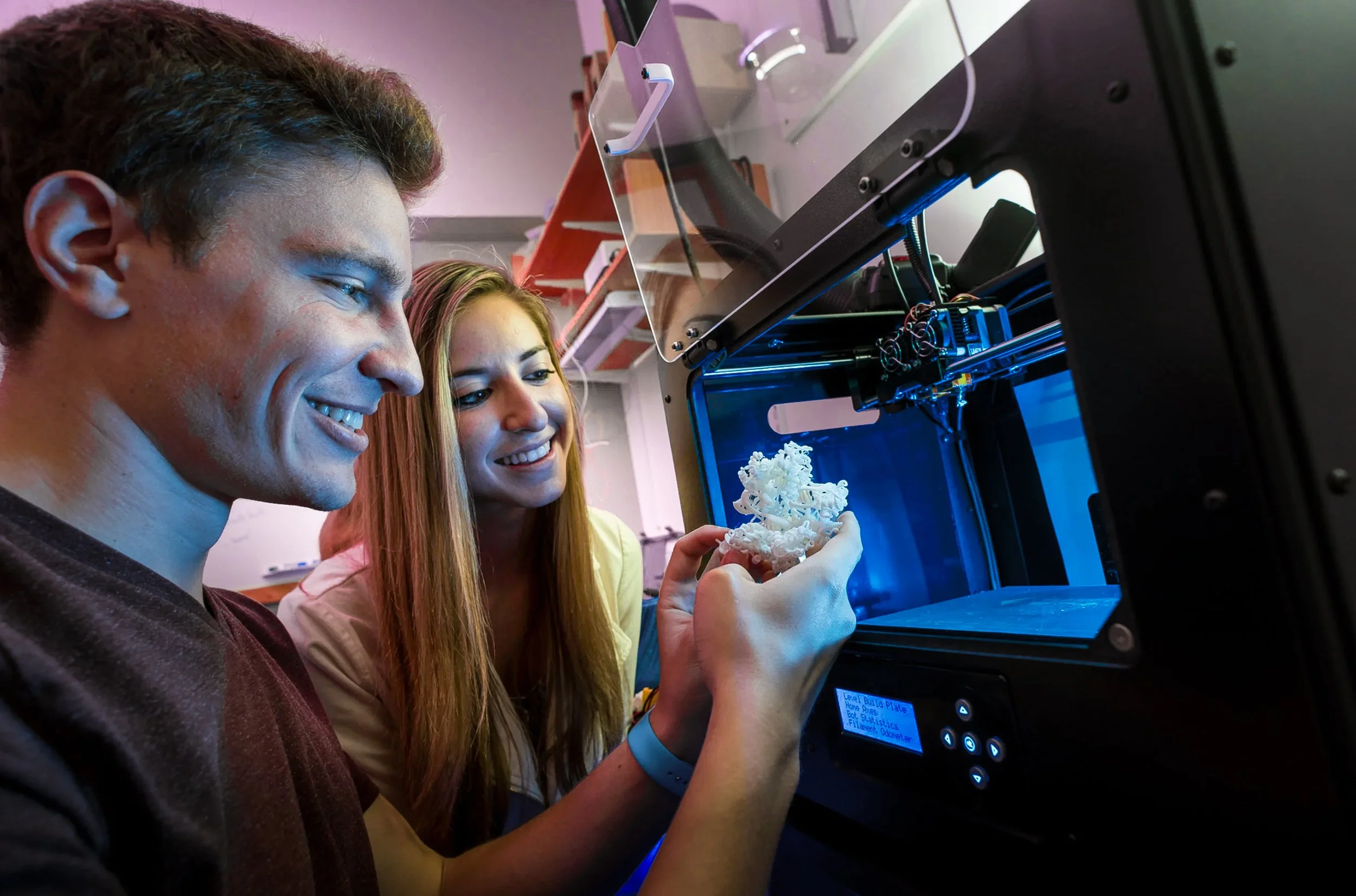
Two students examine a 3D protein model they printed with a MakerBot printer.